
The sudden impact of a car crash leaves a lasting impression, long after the dust settles and the road clears. In those initial seconds, a driver faces a massive rush of adrenaline mixed with immediate confusion about what steps to take next. The road to physical and mechanical recovery is rarely a straight line, as it involves balancing personal well-being, stressful insurance paperwork, and the complicated task of fixing a damaged machine. Many people assume that fixing a vehicle simply means popping out a few dents and spraying a fresh coat of paint, but the reality is much more detailed. Modern automobiles are intricate machines filled with safety cages, advanced computer sensors, mechanical drivetrains, and complex aesthetic layers that all require specialized attention after an incident. Navigating this journey requires a clear plan, transforming a wrecked piece of metal back into a safe, reliable, and beautiful vehicle that functions exactly as it did before.
When an incident happens at night or on a busy highway, the immediate priority shifts to clearing the roadway safely to prevent secondary collisions. Distracted drivers passing by present a major hazard, making it vital to secure the scene quickly. This is where a reliable 24 hour towing company becomes indispensable, arriving promptly with the proper equipment to hoist the damaged vehicle away from traffic lanes. They transport the car to a secure facility or a shop, giving the owner peace of mind during an otherwise stressful situation. Establishing control during these stressful first moments sets a positive tone for the entire restoration process, turning a chaotic roadside emergency into a structured, manageable situation.
Table of Contents
- Coordinating Reliable Roadside Extraction
- Protecting Legal Rights and Financial Interests
- Rebuilding the Structural Skeleton and Frame
- Diagnosing and Resolving Mechanical Faults
- Inspecting the Exhaust Line and Vital Components
- Safeguarding the Undercarriage Against Long-Term Corrosion
- Refreshing the Exterior Surface and Style
- Enhancing Glass Security and Interior Comfort
- Returning the Asset to the Open Highway
Coordinating Reliable Roadside Extraction
Once everyone involved is safe and the police reports are filed, attention turns to the logistics of moving the disabled vehicle. Leaving a damaged car on the shoulder of a highway invites accidents and can result in fines from local law enforcement. Selecting the right transportation partner involves looking for transparency, proper equipment, and geographical proximity. A professional local towing company understands the traffic rules of the area and can recommend reputable storage yards or repair facilities nearby. They utilize flatbed trucks to ensure that a vehicle with compromised suspension does not suffer further mechanical ruin during transit.
Drivers should always ask for a breakdown of fees, including hook-up rates and mileage charges, before allowing their car to be winched. Unscrupulous operators often frequent high-accident zones to capitalize on distracted drivers, making it smart to choose an established, verified business. Taking the time to select a trustworthy towing operator guarantees that the vehicle arrives at its destination without new scratches, hidden yard fees, or mysterious administration charges.
Protecting Legal Rights and Financial Interests
With the vehicle resting safely in a secure yard or repair facility, the next major hurdle involves dealing with the financial and legal fallout of the crash. Insurance adjusters often move quickly, attempting to settle claims before the full extent of property damage or physical injury is realized by the vehicle owner. For many individuals, attempting to negotiate with multi-billion-dollar insurance corporations while recovering from physical trauma is an overwhelming task. Retaining a qualified car accident lawyer changes the dynamic completely, ensuring that the driver’s rights are protected against low settlement offers.
These legal professionals collect police records, gather witness statements, and work alongside accident reconstruction experts to build an accurate assessment of the total losses incurred. They also help determine whether an insurance carrier is acting unfairly by delaying payments or refusing to cover legitimate repair costs. Having a dedicated advocate allows the vehicle owner to focus entirely on their personal recovery and their daily schedule while the legal team handles the heavy paperwork. This professional intervention ensures that the final settlement reflects the true cost of returning the vehicle and its occupants to their pre-accident condition without out-of-pocket stress.
Rebuilding the Structural Skeleton and Frame
After resolving the initial legal and logistical details, the physical reconstruction of the automobile can begin in earnest at a professional shop. The outer sheet metal of a modern car hides an engineered skeleton designed to absorb massive impact forces to protect the passengers inside. When a crash occurs, these crumple zones bend as intended, but they must be perfectly reset or replaced before the car can ever be considered safe to drive again. Specialized technicians utilize computerized measuring systems to analyze the vehicle frame down to the exact millimeter, comparing it against original factory blueprints.
This precise phase of collision repair forms the foundation of the entire rebuild, as a skewed frame will cause doors to misalign, tires to wear unevenly, and advanced driver-assistance sensors to malfunction. Technicians meticulously cut away compromised high-strength steel sections and weld in fresh factory components to restore structural integrity. Furthermore, the shop must coordinate with insurance adjusters to ensure every part replaced is approved. Only when the underlying structural dimensions are restored to factory specifications can the shop move forward with cosmetic body panels, ensuring that the car is structurally sound, properly aligned, and completely ready for secondary mechanical inspections.
Diagnosing and Resolving Mechanical Faults
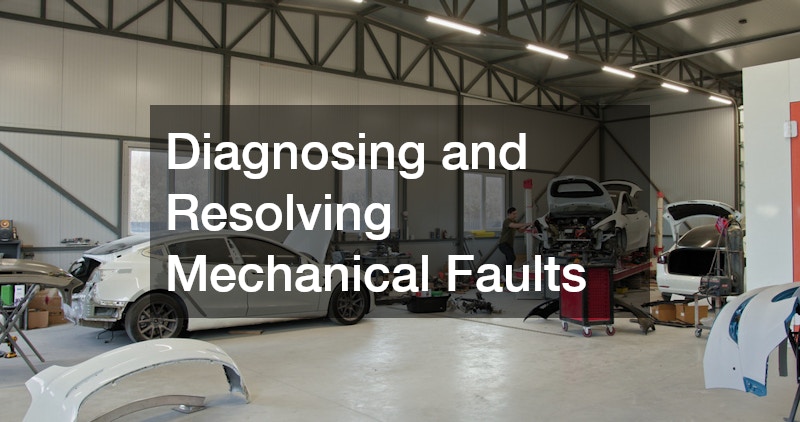
While structural work fixes the shape and safety of the car, the mechanical systems underneath require equal attention to ensure long-term reliability on the road. An impact can send massive shockwaves through the engine bay, fracturing plastic fluid reservoirs, twisting aluminum radiator cores, and snapping complex electrical wiring harnesses. Even if a vehicle looks pristine on the outside after bodywork is completed, internal issues like a bent steering rack or a cracked transmission casing can create severe safety hazards down the road.
Comprehensive auto repair diagnostics are necessary to uncover these hidden problems, utilizing advanced scanning tools to read error codes from the vehicle’s central computer network. Modern computer networks in cars rely on multiple modules communicating via a complex bus system, where a minor pinch in a wire can disable key safety features. Technicians check the alignment of the suspension systems, inspect the brake lines for micro-fractures, and replace damaged engine mounts that absorb motor vibrations. Addressing these mechanical intricacies ensures that the car performs reliably under pressure, accelerating, steering, and braking exactly as the manufacturer engineered it to do, protecting the driver from unexpected breakdowns long after the accident is over.
Inspecting the Exhaust Line and Vital Components
A specific area that frequently suffers quiet damage during a major rear-end or undercarriage collision is the exhaust tract. The exhaust system is suspended by rubber hangers beneath the chassis, making it prone to shifting, buckling, and cracking when the vehicle is struck from behind or shoved over a steep curb. A damaged exhaust pipe can leak dangerous gases into the passenger cabin or restrict engine airflow, destroying fuel economy and engine performance.
Within this system, the catalytic converter stands out as a highly sensitive component, containing a fragile ceramic honeycomb structure coated with precious metals that clean exhaust emissions. The shock of a crash can easily shatter this internal ceramic brick, leading to a clogged exhaust or a persistent check engine light that prevents the vehicle from passing state environmental inspections. Furthermore, because these parts are highly valuable, insurance estimators must carefully verify whether the unit was damaged by the impact or if it needs complete replacement due to structural failure. Restoring the exhaust system to perfect working order guarantees that the vehicle remains eco-friendly, quiet, and legally compliant on public roads, preventing unexpected failures during future state emissions checks.
Safeguarding the Undercarriage Against Long-Term Corrosion
Once the mechanical components are sound and the structural repairs are finished, attention must turn toward protecting the raw, exposed surfaces beneath the car. During the welding, pulling, and grinding processes required to fix a frame, the original factory rust-preventative coatings are inevitably burned off or scraped away. Leaving this bare metal exposed to rain, puddles, road salt, and winter humidity will cause rapid oxidation, leading to structural rust that can ruin a fresh repair within a few short seasons.
Applying a professional auto undercoating service seals these vulnerable areas, creating a durable, rubberized, or wax-based barrier that locks out moisture and corrosive chemicals. This specialized coating also provides a secondary benefit by dampening road noise, making the repaired vehicle feel quieter and more refined from inside the cabin during daily commutes. Taking the extra step to treat the underbody ensures that the structural repairs last for the remaining lifespan of the vehicle, preserving its resale value and keeping the underlying frame as strong as the day it was built. It represents a necessary bridge between rugged structural rehabilitation and long-term vehicular durability, ensuring that hidden post-repair vulnerabilities are thoroughly eliminated before the vehicle leaves the shop.
Refreshing the Exterior Surface and Style
With the structural, mechanical, and underbody components completely restored, the vehicle is finally ready for its visual transformation. While traditional paint matching is the standard route for many insurance repairs, an accident also presents a unique opportunity to completely reimagine the outer look of the automobile. Instead of dealing with the long curing times and high costs associated with premium multi-stage paint jobs, many owners opt for modern vinyl applications.
Installing a custom car wrap allows for complete creative freedom, offering matte, satin, gloss, or textured finishes that protect the underlying new panels from stone chips and minor road scratches. Vinyl options come in thousands of unique color variants, allowing for custom stripes, accents, or complete style swaps. This vinyl layer acts as a protective shield over the fresh primer and bodywork, ensuring that the exterior remains flawless for years. For drivers who want to erase the memory of the accident completely, a total color change provides a fresh start, making the car look brand new. The material can be removed easily in the future without damaging the surfaces underneath, giving the owner total flexibility over their vehicle’s aesthetic direction without decreasing the factory paint value.
Enhancing Glass Security and Interior Comfort
The final phase of a thorough post-collision restoration involves shifting focus from the large exterior panels to the glass surfaces and cabin interior. Accidents often cause side windows to shatter or require the windshield to be completely replaced to ensure proper structural support for the roof line. New factory glass blocks some wind and rain, but it lacks the solar defense and privacy features that many modern drivers rely on for daily comfort.
Investing in professional auto window tinting services for the newly installed glass pieces helps restore or upgrade the cabin environment significantly. High-quality ceramic or carbon window films reject a massive percentage of solar heat and harmful ultraviolet rays, protecting the dashboard from cracking and keeping the interior cool without overworking the air conditioning system. Additionally, tinting provides an added layer of safety; in the event of another collision, the strong adhesive backing of the window film helps hold shattered glass fragments together, preventing sharp shards from flying into the passenger cabin and injuring the occupants during an impact.
Returning the Asset to the Open Highway
The journey from a chaotic roadside scene to a fully restored automobile requires patience, expertise, and a clear understanding of the automotive ecosystem. By systematically addressing each phase of recovery, from the structural skeleton to the final aesthetic details, a damaged car can emerge from the shop looking better than it did before the incident. For business owners, this restoration process is doubly important when dealing with commercial fleets that rely on mobile branding to attract clients and maintain a professional appearance.
Reapplying commercial vehicle wraps ensures that the company’s public image remains sharp and uniform, completely hiding any sign that the working vehicle was ever sidelined by a crash. When a vehicle owner selects the right specialists at every turn, the final result is a machine that drives smoothly, looks beautiful, and provides the exact same level of safety as it did before the accident. True vehicle restoration is not about covering up damage; it is about completely rebuilding confidence, allowing the driver to step back into the cabin, turn the key, and face the open highway with absolute peace of mind.
