
Acquiring real estate is a major milestone for any growing company. Moving out of a leased facility or expanding operations into a new region requires a substantial commitment of time, planning, and capital. The exhaustive process of searching for a highly suitable commercial building for sale requires a tremendous amount of patience, but securing the property is ultimately only the initial step. The path between closing the real estate transaction and welcoming customers on opening day involves a long list of operational tasks.
A vacant property requires a systematic plan to transform it into an efficient, safe, and productive environment. Without a clear and definitive strategy, busy business owners can easily become entirely overwhelmed by multiple moving parts:
- Municipal building codes and zoning laws
- Structural envelope repairs and mechanical overhauls
- Interior functional upgrades and cosmetic layouts
- Local physical branding and digital marketing timelines
A structured approach protects the initial financial investment while keeping the entire project on schedule. Every detail matters, from the condition of the outer walls to the digital marketing strategy that will attract the first wave of local clients. This guide provides a practical, step-by-step roadmap designed to help property buyers manage the multi-stage transition from a newly acquired asset to an active corporate hub. By following a sequential checklist, organizations can minimize unexpected delays, control capital expenditures, and ensure a smooth public launch.
Table of Contents
- Evaluating the Structural Envelope
- Prioritizing Life Safety and Municipal Compliance
- Optimizing Logistics and Facility Access
- Upgrading Heavy-Duty Floor Surfaces
- Designing an Impactful Interior Layout
- Revitalizing the Property Facade and Walls
- Deploying High-Visibility Physical Branding
- Establishing a Dominant Digital Presence
- Navigating Financial Management and Accounting
- Executing a Flawless Launch
Evaluating the Structural Envelope
Once the keys are handed over, the first order of business is assessing the physical condition of the property. The exterior shell dictates the energy efficiency, comfort, and daily operating costs of the entire facility. Buyers need to inspect the roof, foundation, and structural walls for any signs of wear, moisture intrusion, or material degradation. Among these elements, the windows and entry systems play a critical role in controlling the climate and monthly utility bills. Outdated frames can lead to substantial air leaks, increasing heating and cooling costs while placing strain on mechanical HVAC equipment.
If the initial assessment reveals compromised seals or old single-pane glass, contacting a certified window manufacturer should be an immediate action item on the checklist. Investing in modern, high-efficiency commercial-grade architectural glass ensures the facility successfully meets current energy codes and keeps monthly operational costs fully predictable. Beyond thermal performance, updating the exterior glass improves natural light within the workspace, creating a bright environment that helps employee productivity and makes an excellent impression on visitors. Proactively addressing these critical envelope issues early prevents highly disruptive renovations later on when the business becomes fully active. Taking care of these core exterior issues provides a solid foundation for all subsequent indoor renovations.
Prioritizing Life Safety and Municipal Compliance

Before starting any interior remodeling or cosmetic changes, property owners must address regulatory compliance and safety systems. Local municipalities strictly enforce rigorous building codes to ensure all commercial spaces can adequately protect occupants during sudden emergencies. Failing to properly meet these standards can easily result in costly fines, halted construction permits, or a significantly delayed grand opening. A thorough audit of the building safety equipment should focus on emergency lighting, exit signage, sprinkler systems, and specialized suppression tools.
The primary component of this safety infrastructure is a fully integrated fire alarm network. Property buyers need to ensure that smoke detectors, manual pull stations, control panels, and audible alarms are modern, functional, and fully compliant with local regulations. Working with licensed technicians to inspect, update, or replace old components guarantees that the building passes mandatory local inspections without unexpected delays. Furthermore, a modern, monitored safety system provides round-the-clock protection for physical assets and inventory, while helping to reduce property insurance premiums.
Optimizing Logistics and Facility Access
Efficient movement of goods, equipment, and personnel is essential for maintaining smooth daily operations. For properties that include warehouses, distribution centers, mechanical shops, or retail delivery zones, mechanical access points require close inspection. Large bay doors and loading docks are constantly subject to intense daily wear, and a sudden mechanical failure can immediately stall supply chains, halt distributions, or create severe security gaps at the perimeter of the property.
To mitigate these risks, incoming owners should partner with a dependable commercial overhead door service professional. A comprehensive inspection of the tracks, heavy-duty springs, cables, and electronic opening systems will identify hidden wear before it leads to an operational breakdown. Upgrading to modern, well-insulated, high-speed doors improves physical security, streamlines daily logistics, and prevents conditioned indoor air from escaping during loading processes. Establishing a strict preventative maintenance schedule for these heavy components ensures they remain consistently reliable, protecting the operational budget from sudden repair expenses during peak business seasons. A perfectly smooth-running loading bay prevents unnecessary operational bottlenecks, keeping the vital backend of the enterprise running flawlessly.
Upgrading Heavy-Duty Floor Surfaces
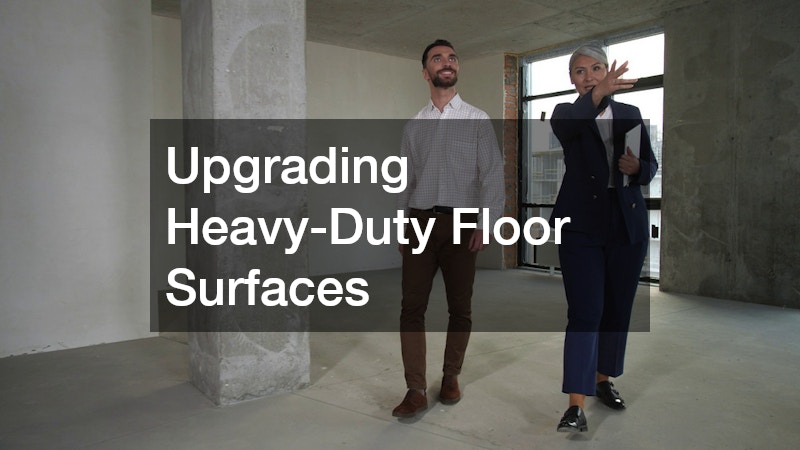
The floors of an active commercial facility endure a constant onslaught of daily activity, including heavy foot traffic, rolling equipment, chemical exposure, and potential impacts from heavy tools or pallets. Standard, untreated concrete floors are highly porous, making them susceptible to permanent staining, cracking, and moisture absorption. Over time, bare concrete also generates fine dust that can settle on inventory, infiltrate sensitive electronic components, and create an unprofessional appearance for visiting clients.
To resolve these issues, applying a professional commercial epoxy floor coating is a crucial step in the renovation phase. This specialized resinous finish creates a completely seamless, impermeable protective barrier that bonds directly with the underlying concrete slab. The resulting surface is highly resistant to industrial chemicals, oils, and physical abrasions, while remaining remarkably easy to clean and sanitize. Whether the facility is being converted into a busy manufacturing plant, a clean medical office, or an upscale automotive showroom, this durable flooring option ensures the property can handle the rigors of daily use while presenting a clean, modern aesthetic. The brilliant high-gloss finish also beautifully reflects overhead lighting, making the entire workspace significantly safer for the workforce.
Designing an Impactful Interior Layout
With the structural elements, safety networks, and heavy utility surfaces fully secured, the project can transition toward refining the internal aesthetic and layout. The physical arrangement of workspaces, customer lounges, and corridors directly impacts how people interact with a business. A poorly planned layout can cause operational bottlenecks, reduce staff communication, and leave clients feeling confused or uncomfortable.
Engaging a professional specialized in commercial interior design helps transform a basic layout into a functional asset. Experienced designers focus on balancing spatial utility with brand identity, selecting appropriate color coordination, acoustic solutions, ergonomic furniture, and lighting configurations. They ensure that the floor plan adheres to accessibility laws while optimizing the workflow for employees and creating an engaging environment for customers. A thoughtful interior space reflects professionalism, establishes corporate culture, and reinforces brand values the moment a visitor steps inside, making it an essential component of long-term commercial success. Collaborating with an expert ensures that the internal architecture matches the operational goals of the business perfectly.
Revitalizing the Property Facade and Walls

Aesthetics play an important role in commercial success, as the physical appearance of a property acts as an ongoing representation of the company’s brand. Faded exterior walls, peeling paint, and scuffed interior drywall can detract from an otherwise premium facility, signaling neglect to potential clients. A comprehensive exterior and interior facelift is one of the most immediate ways to boost property value and project an image of operational excellence.
Hiring specialized commercial painting services guarantees that large-scale surfaces are refreshed efficiently and professionally. Commercial painters possess the specialized equipment, industrial coatings, and safety training required to manage tall structures, expansive warehouse walls, and complex architectural details. Proper surface preparation – including power washing, minor drywall repair, scraping, and precision priming – ensures the final coat resists weathering, moisture, and daily wear for years to come. Applying a crisp, cohesive corporate color scheme transforms the physical building into a standout landmark within the local business community. A professional paint job removes the visual traces of the previous tenant, giving the company a fresh start.
Deploying High-Visibility Physical Branding
Even the most beautiful building requires clear, professional exterior signage to guide visitors, establish a physical presence, and capture the attention of passing traffic. Storefront and property signs serve as a permanent marketing tool that works constantly to build brand recognition within the local market. Passersby should be able to identify the business immediately from a distance, understanding what the company offers at a glance.
Coordinating a professional sign installation involves navigating local zoning laws, securing municipal permits, and executing precise structural engineering. Whether the property requires illuminated channel letters, large roadside pylon structures, or directional monument signs, the physical placement must be executed by certified professionals. Specialized installers ensure that electrical connections are safe, structural anchors are secure against high winds, and the placement complies with all local regulatory restrictions. A bold, professionally mounted sign establishes the permanent physical footprint of the company, alerting the community to the upcoming grand opening. Without this critical element, even aggressive advertising campaigns can fall short if customers cannot physically locate the building.
Establishing a Dominant Digital Presence

While physical construction moves forward on-site, property owners must simultaneously build their visibility in the digital landscape. A beautiful physical location can only achieve its potential if local consumers can easily find it online. The modern consumer journey almost universally begins with a digital search, making it imperative that the business ranks highly on search engines before the physical doors open to the public.
Partnering with an experienced SEO service provider allows a company to build a robust online foundation in parallel with the physical buildout. This process includes optimizing the corporate website for local search queries, managing online map profiles, creating location-specific content, and building authority within digital directories. Because search engine optimization requires time to generate organic search rankings, starting this process months before the grand opening ensures a steady stream of online visibility. By the time the physical renovations are complete, the digital pipeline is already primed to deliver customers to the new location. This proactive approach ensures that digital traffic syncs perfectly with physical readiness, maximizing opening day impact.
Navigating Financial Management and Accounting
The financial responsibilities of acquiring and upgrading a piece of real estate extend far beyond managing construction budgets and paying mortgages. Property modifications, equipment purchases, structural repairs, and marketing investments all carry distinct financial and accounting implications. Navigating these complexities properly can drastically alter the short-term cash flow and long-term profitability of the enterprise.
Securing professional business tax preparation services is critical for ensuring the company fully capitalizes on its new physical asset. Specialized accountants help business owners classify expenses correctly, distinguish between immediate repairs and long-term capital improvements, and leverage cost segregation studies to accelerate depreciation deductions. Furthermore, they can identify federal, state, and local tax credits for energy-efficient upgrades, such as modern window installations or smart electrical systems. Managing these financial elements accurately ensures strict compliance with tax authorities while unlocking valuable cash reserves that can be reinvested into daily business growth. Proper fiscal tracking prevents expensive errors and ensures that every dollar spent during the renovation works to reduce corporate tax liability.
Executing a Flawless Launch
Transforming a raw property into a fully operational business location is a complex journey that rewards careful coordination and expert execution. From the moment an organization buys a piece of property to the day the ribbon is cut, every phase of the checklist must be managed with precision. By systematically addressing structural envelope needs, life safety compliance, logistical access, durable surfaces, spatial design, visual branding, digital marketing, and tax optimization, business owners safeguard their investments and build an enduring foundation for operational success.
Surrounding the project with trusted industry professionals, certified contractors, and experienced financial advisors helps mitigate risks, control expenses, and prevent costly operational delays. When each component of this comprehensive checklist is executed with care, the transition from a vacant structure to a bustling corporate facility becomes an organized, predictable process. This structured preparation guarantees that the grand opening is more than just a celebratory event – it becomes the highly successful launchpad for long-term growth and corporate prosperity. With a solid plan in place, business owners can step through their new doors with complete confidence in the future.
