Owning a full garage equipped with high-performance touring motorcycles, daily commuters, precision European sports cars, and watercraft is the ultimate accomplishment for any mechanical enthusiast. However, managing a personal fleet of diverse road and water assets comes with significant maintenance challenges. When service schedules are managed in isolation, it is easy for crucial preventative checks to slip through the cracks. A missed fluid interval on a tow vehicle can lead to a roadside breakdown during a long-distance road trip, just as an unserviced watercraft cooling system can ruin a planned weekend on the lake.
Taking a systematic, fleet-wide approach to maintenance transforms how you care for your motorized gear. Instead of reacting to mechanical failures after they happen, establishing a unified maintenance protocol keeps every engine running smoothly, preserves long-term resale value, and ensures that every vehicle in your collection is always turn-key ready. This comprehensive guide outlines the strategies, diagnostic routines, and technical steps necessary to maintain your entire garage, covering everything from chassis safety to specialized engine care and seasonal protection.
- Establishing a Unified Fleet Maintenance Baseline
- Stopping Power & Chassis Safety Management
- Specialized Care for High-Performance European Imports
- Cabin Comfort, Electronics, and UV Protection
- Marine Engine Care and On-Water Reliability
- Environmental Shielding & Off-Season Storage Systems
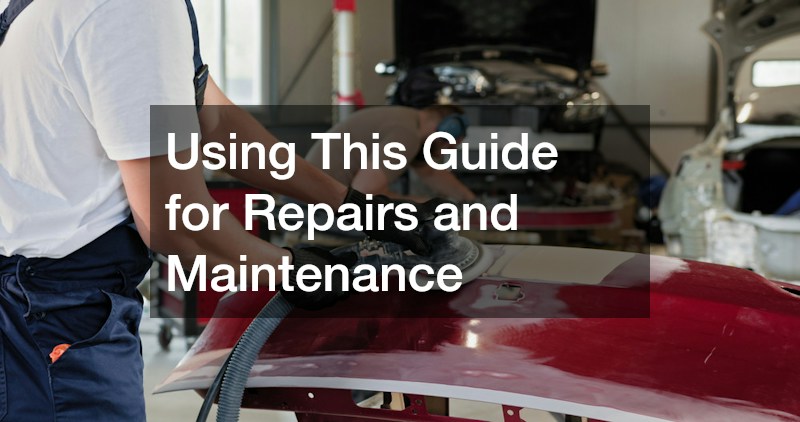
- Using This Guide for Repairs and Maintenance
Establishing a Unified Fleet Maintenance Baseline
Managing multiple vehicles requires moving away from mental note-taking and transitioning into a structured logging system. Because motorcycles, trucks, cars, and marine engines accumulate wear differently, tracking maintenance based strictly on odometer mileage is insufficient. Marine engines operate on hour meters, touring bikes demand frequent inspection of high-wear items like drive belts and tires, and daily commuters require scheduled calendar checks for fluid degradation due to short-trip driving cycles.
Creating a master maintenance ledger—whether digital or physical—is the first step toward total garage organization. Start by cataloging every asset alongside its primary operational metrics: engine hours, total mileage, fluid specifications, and service history. Establishing recurring maintenance intervals based on seasonal readiness ensures that service tasks are spread evenly throughout the year rather than piling up right before a major trip.
Pre-Season Inspection Protocols
Before putting any vehicle through heavy seasonal use, conduct a baseline inspection covering four critical areas:
-
Fluid Dynamics: Check all fluid levels, paying close attention to color, viscosity, and signs of contamination. Look for milky oil indicating coolant leaks, dark brake fluid showing moisture absorption, or burnt transmission fluid.
-
Electrical Health: Test open-circuit battery voltages and execute load tests on all starter batteries. Clean terminal connections and ensure trickle-charger quick-connects are functioning properly.
-
Structural Seals and Hoses: Inspect coolant lines, fuel hoses, and hydraulic fittings for dry rot, swelling, cracking, or active weepage under pressure.
-
Mechanical Fasteners: Perform a torque audit on critical structural components, including axle nuts, lug nuts, suspension mounts, and hitch receivers.
Catching minor issues during a garage inspection prevents catastrophic component failures on the open highway or out on the water. While standard fluid changes and minor part swaps can easily be tackled at home, knowing when to leverage professional auto repair for complex diagnostics ensures critical systems remain safe and reliable. Partnering with a reputable facility for specialized auto services allows you to handle routine care while leaving heavy engine work, wheel alignments, and module flashing to trained technicians.
Stopping Power & Chassis Safety Management
A fleet is only as safe as its ability to stop, especially when hauling heavy loads or navigating challenging road conditions. Braking systems across heavy touring motorcycles, daily drivers, and towing rigs experience extreme thermal stress, mechanical friction, and environmental exposure. Neglecting friction materials or hydraulic components compromises safety and causes accelerated wear across rotors and calipers.
Brake fluid is inherently hygroscopic, meaning it actively absorbs moisture from the atmosphere over time. This trapped moisture lowers the fluid’s boiling point, creating a soft pedal feel under heavy braking and promoting internal corrosion within master cylinders, brake lines, and anti-lock braking system valves. Flushing brake fluid every two years regardless of mileage is essential across all road vehicles.
Tow Vehicle and Trailer Interface
When using heavy-duty vehicles to transport motorcycles or haul watercraft, the strain on the braking system multiplies exponentially. Ensuring complete stopping power requires meticulous attention to both the tow rig and trailer hardware:
-
Rotor and Pad Evaluation: Measure brake pad friction material to ensure at least 4mm of thickness remains. Inspect brake rotors for deep scoring, heat checking, hairline cracks, or lateral runout that causes pedal pulsation.
-
Caliper Slide Maintenance: Clean and lubricate caliper slider pins using high-temperature silicone grease to prevent pad drag, uneven wear, and premature lockup.
-
Trailer Controller Calibration: Adjust the gain on your interior brake controller to match the total weight of the loaded trailer, ensuring smooth, synchronized deceleration without locking trailer tires.
-
Harness Integrity: Test all 7-pin trailer connectors for clean voltage delivery, corrosion-free contacts, and proper ground wiring to prevent intermittent trailer brake failures.
Prior to setting out on long-haul trips with loaded trailers, scheduling a comprehensive auto brake service guarantees that pad compounds, hydraulic pressures, and proportional trailer braking interfaces are fully calibrated to handle emergency stopping scenarios safely.
Specialized Care for High-Performance European Imports
High-performance European sports cars and luxury sedans feature engineering philosophies that demand strict adherence to maintenance protocols. Unlike standard domestic vehicles designed with broader tolerances, precision European powertrains rely on exact fluid specifications, ultra-tight mechanical clearances, and highly sensitive sensor networks to deliver top-tier performance.
Ignoring scheduled maintenance on these vehicles often leads to rapid mechanical degradation. Direct-injection engines require tracking for carbon accumulation on intake valves, synthetic oils must meet exact factory oil approvals to protect complex variable valve timing actuators, and cooling systems made with lightweight composite plastics require timely replacement before plastic hose necks become brittle and crack under high operating temperatures.
Performance Engine Care Checklist
Sustaining peak engine output and sharp handling in performance sports cars requires specialized care steps:
-
Approved Synthetic Lubricants: Use only full-synthetic engine oils that strictly meet the exact factory quality standards required for high-stress overhead-cam valvetrains.
-
Cooling System Monitoring: Inspect expansion tanks, water pump impellers, and thermostat housings for hairline micro-cracks and white coolant residue.
-
Drivetrain Fluid Maintenance: Service dual-clutch transmissions, manual transaxles, and limited-slip differentials at specified mileage intervals using dedicated synthetic gear oils.
-
Tire Flat-Spot Mitigation: Adjust tire pressures to storage levels and utilize curved storage ramps when parking high-performance sticky tires for extended periods.
Because performance imports use proprietary diagnostic protocols and unique service tools, utilizing certified German auto repair services is vital when performing major mechanical overhauls, timing belt replacements, or sensor calibrations. Furthermore, high-strung air-cooled classics and modern twin-turbo platforms benefit greatly from dedicated Porsche repair expertise to maintain proper engine timing, factory geometry setups, and long-term investment value.
Cabin Comfort, Electronics, and UV Protection
Maintaining a fleet extends beyond mechanical components under the hood or chassis. Environmental factors like solar radiation, ambient heat, and electrical drain constantly degrade vehicle interiors, sensitive electronic modules, and glass assemblies. Preserving these elements requires a mix of protective treatments and proactive electrical management.
Intense sunlight rapidly breaks down interior materials. Ultraviolet rays dry out genuine leather upholstery, cause plastic dashboards to crack, and destroy delicate touchscreen displays. Additionally, modern high-end vehicles feature complex interior electronics connected across distributed controller area networks. When voltage drops occur due to extended garage storage, these electronic modules can lose calibration, trigger false dashboard warning lights, or experience parasitic battery drains.
Cab Interior and Electrical Protection Measures
Protecting cabin environments and electronic control units involves targeted preventative steps:
-
UV-Blocking Solar Control: Equip vehicle glass with advanced window films designed to block harmful UV rays and drastically reduce infrared heat absorption inside the cabin.
-
Leather Conditioning: Clean and apply deep-conditioning, non-greasy UV blockants to leather seating surfaces every three months to retain suppleness and prevent seam tearing.
-
Battery Float Charging: Connect smart, microprocessor-controlled trickle chargers to all parked vehicles to maintain optimal voltage without overcharging or gassing battery cells.
-
Module Diagnostics: Perform full system scans to monitor parasitic electrical draws and ensure auxiliary equipment like radar detectors or dash cams drop into low-power sleep modes.
Enlisting a certified auto window tinting service ensures high-performance film is installed seamlessly without bubbling or interfering with sensitive embedded rear-defroster grid lines or integrated glass radio antennas. When complex electrical faults or parasitic battery drains do arise within intricate vehicle wiring harnesses, consulting specialists experienced in foreign car repair ensures logic networks and fuse blocks are diagnosed correctly without damaging delicate onboard modules.
Marine Engine Care and On-Water Reliability
Watercraft demand an entirely different approach to preventative care due to the harsh, corrosive nature of aquatic environments. Unlike road vehicles that radiate heat into passing air, marine engines rely on raw water drawn directly from lakes or oceans to cool engine blocks, manifolds, and heat exchangers. This constant exposure to water, salt, and bio-fouling makes marine maintenance time-sensitive.
Decommissioning a vessel for winter or commissioning it for summer requires rigorous attention to fuel systems, gearcases, and electrical grounds. Unstable ethanol fuel stored in marine fuel tanks absorbs ambient moisture, leading to phase separation that ruins internal fuel injectors and carbureted fuel circuits. Flushing lower units, replacing water-separating fuel filters, and lubricating steering linkages are essential, non-negotiable tasks.
Marine Vessel Maintenance Focus Areas
To ensure uninterrupted weekends on the lake or ocean, prioritize these core marine checks:
-
Lower Unit Gear Lube Drain: Drain gearcase lubricant annually to inspect for metal shavings or milky coloration, which indicates failing prop shaft seals that allow water intrusion.
-
Sacrificial Anode Replacement: Inspect and replace zinc or aluminum sacrificial anodes on drives, transoms, and engine brackets once they erode past 50 percent of their original mass.
-
Hull and Pontoon Care: Thoroughly wash marine hulls and inspect aluminum pontoon welds, heavy-duty bracket mounts, and transom plates for stress cracks, pitting, or galvanic corrosion.
-
Raw-Water Impeller Swaps: Replace rubber water pump impellers regularly to prevent dry-running wear, blade tearing, and sudden engine overheating.
When purchasing or restoring a used pontoon boat, conduct a complete overhaul of the mechanical linkages, drain fuel tanks completely, and replace all rubber fuel lines before heading out on the water. Additionally, for cruisers with enclosed living quarters, maintaining onboard cooling systems is critical; engaging a qualified marine ac service technician guarantees that raw-water strainers are clear, cooling coils are descaled, and refrigerant pressures remain optimized for hot summer days.
Environmental Shielding & Off-Season Storage Systems
Proper storage during off-peak months is what separates a fleet that lasts indefinitely from one plagued by premature rust, seized engines, and degraded finishes. Storing vehicles and marine equipment in non-climate-controlled environments exposes metal surfaces to rapid condensation cycles, encouraging surface oxidation on chrome, bare steel, and aluminum components.
Preparing gear for extended storage involves stabilizing all internal fluids, protecting exposed metal finishes, and sealing off air intakes to prevent nesting pests from destroying wiring harnesses. A thorough cleaning prior to storage is equally essential, as trapped grime, road salt, or aquatic scum holds moisture against painted and clear-coated surfaces, etching into the finish over time.
Comprehensive Storage Preparation Steps
Implement these off-season storage steps across all garage assets:
-
Engine Fogging: Spray specialized fogging oil directly into air intakes or spark plug cylinders on carbureted or legacy engines to coat internal cylinder walls, rings, and valves with a protective oil barrier.
-
Corrosion Inhibitor Application: Apply a light layer of marine-grade corrosion inhibitor spray over exposed engine blocks, electrical terminals, suspension linkages, and chrome trim.
-
Moisture Control: Place desiccant buckets or active dehumidifiers inside closed garage spaces and vehicle cabins to maintain ambient relative humidity levels below 50 percent.
-
Breathable Outer Shielding: Cover all clean, dry vehicles with custom-fit covers made from breathable, multi-layer marine or automotive fabrics to keep dust off without trapping humidity underneath.
Investing in a high-quality, custom-fitted boat cover equipped with adjustable support poles prevents water pooling, repels damaging UV light, and protects gelcoats from sap, dust, and environmental fallout during months of inactivity.
Using This Guide for Repairs and Maintenance
Managing a personal fleet of motorcycles, tow vehicles, sports cars, and watercraft requires organization, technical discipline, and the right strategic approach. By moving away from reactive repairs and adopting a unified maintenance system, you protect your mechanical investments, prevent unexpected breakdowns, and ensure that every asset in your garage is always ready for action.