
There is something uniquely rewarding about rescuing an old truck from a salvage yard. These forgotten workhorses often sit covered in dust, showing the deep scars of years of hard labor, harsh weather, or total neglect. Yet, underneath the faded paint, dented panels, and surface rust often lies an incredibly solid frame, a proven powertrain design, and a story waiting for its next chapter. For automotive enthusiasts, hobbyists, and practical drivers alike, restoring a used truck is far more than just a budget-friendly project. It represents an opportunity to build a reliable, highly personalized machine that can handle modern demands without forcing the owner to face the massive price tag of a brand-new showroom model.
The unique appeal goes well beyond pure financial savings. When a builder restores a classic or late-model utility vehicle with their own hands, they gain an intimate understanding of every nut, bolt, and electrical connection. This deep connection creates a sense of pride and confidence that simply cannot be bought off a conventional dealership lot. In addition, older trucks often possess a rugged mechanical simplicity that makes them far easier to work on, troubleshoot, and modify compared to modern vehicles that are packed with overly complex, unserviceable electronics.
Taking a truck from a state of total abandonment to a fully reliable daily driver requires patience, meticulous planning, and a highly systematic approach. The entire process cannot be rushed, as cutting corners early on always leads to severe mechanical headaches down the road. Before any wrenches can turn or new components can be ordered, the logistically complex task of safely moving the vehicle to a dedicated workspace must happen. Relying on professional towing ensures that the vehicle arrives safely at the garage or workshop without causing further internal damage to frozen differentials, seized wheel bearings, or fragile suspension components that have been weakened by years of sitting idle. Once the vehicle is safely positioned in the shop, the real work of transformation can officially begin.
Table of Contents
Evaluating the Foundation and Securing Vehicle Access

The first real obstacle in any salvage project involves getting inside the vehicle and taking an accurate inventory of what is actually there. Many auction trucks or yard finds come completely without keys, or they feature doors and locks that have completely rusted shut after years of relentless exposure to the elements. Instead of forcing doors open with a heavy crowbar and permanently ruining the rubber weather stripping or bending the metal door frames, calling professional locksmiths is the smartest initial step a builder can take. These specialized technicians can quickly cut new physical keys, program complex transponder modules, and restore full functionality to the door latches and the ignition cylinder without inflicting unnecessary collateral damage on the cab.
With open doors and full access to the cabin and the engine bay, a thorough, top-to-bottom inspection can finally get underway. This stage is all about separating minor fixes from catastrophic structural failures. Builders need to look closely at the frame for structural cracks or deep rot, check the oil for signs of coolant contamination, and inspect the electrical wiring harness for damage caused by nesting rodents. Documenting every single issue creates a master roadmap for the upcoming project. Understanding the exact baseline condition of the engine, transmission, and electrical network helps determine the true scope of the required auto repair work, allowing the builder to budget effectively for both time and specialized equipment before diving headfirst into the teardown.
Tackling the Mechanical Overhaul
Once the diagnostic phase wraps up, the physical disassembly of the powertrain can begin. Restoring a high-mileage engine usually involves addressing worn head gaskets, replacing brittle vacuum lines, and refreshing tired cooling systems. It is incredibly common to find that a truck sitting for years needs a completely new water pump, fresh fuel injectors, a clean fuel tank, and a thoroughly rebuilt alternator. Focus should always stay on the core mechanical systems first, ensuring the engine runs smoothly and holds proper oil pressure before worrying about how the truck looks on the outside. Spending days on paint while ignoring a smoking exhaust pipe or a slipping transmission is a recipe for immense frustration.
As the mechanical teardown progresses, builders quickly realize that standard passenger vehicle components simply will not suffice for utility applications. Trucks are built for heavier loads and rougher terrain, meaning the components used during these extensive car repairs must match or exceed the original factory specifications. Every seal, hose, and structural component must be chosen with long-term durability in mind. This ensures the truck can handle future hauling tasks without failing under stress. Skipping steps here or using subpar components will only result in annoying breakdowns later on when the truck is put to work. Sourcing parts carefully from established vendors guarantees that everything works perfectly together, preserving the structural integrity of the drivetrain for thousands of miles of heavy use.
Sourcing Specialized Components
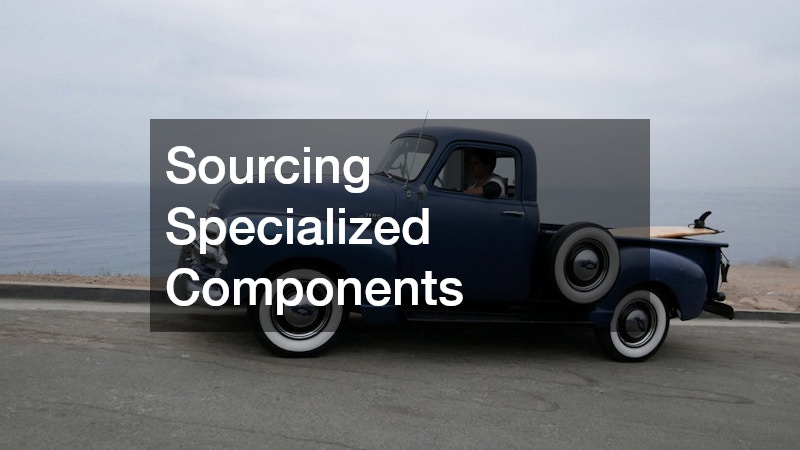
After addressing the universal engine and transmission issues, attention must turn to the specific heavy-duty elements that define a true workhorse. Sourcing these components efficiently requires finding a dependable supplier who understands the nuances of older model years. Finding the right heavy-duty aftermarket or OEM truck parts, such as reinforced leaf springs, upgraded radiators, high-output alternators, and robust steering linkages, makes a massive difference in how the vehicle performs on a daily basis. Utilizing components engineered specifically for utility vehicles guarantees proper fitment and restores the rugged capability that made the truck valuable in the first place.
Establishing Reliable Stopping Power
A powerful, smooth-running engine is completely useless if the vehicle cannot slow down safely under a heavy load or in an emergency situation. Trucks that have spent months or years sitting in salvage yards usually suffer from severe braking system degradation. Moisture naturally builds up inside the brake fluid over time, causing internal corrosion in the steel lines and wheel cylinders, while the brake pads and rotors rust heavily from atmospheric exposure. A complete overhaul of the hydraulic system is mandatory, which often includes swapping out old rubber hoses for braided stainless steel lines, replacing a sticky master cylinder, and installing fresh calipers.
Beyond the main hydraulic components, the parking brake system requires careful evaluation. On older trucks, parking brake cables frequently seize inside their sheaths due to rust and lack of use. Replacing these cables and rebuilding the drum or disc mechanisms within the rear wheels ensures that the truck remains securely anchored when parked on steep inclines, especially when fully loaded with equipment or heavy materials.
Investing time and resources into comprehensive brake repairs is absolutely non-negotiable for any street-ready build. This process involves stripping down the entire assembly, installing high-quality ceramic or semi-metallic pads, turning or replacing the rotors, and flushing the entire system with clean fluid to eliminate air bubbles. Ensuring the truck has crisp, predictable stopping power protects both the driver and the significant investment made into the rest of the vehicle. A truck that stops reliably provides immense confidence, especially when navigating heavy urban traffic or steep downhill mountain descents with cargo in the bed or a heavy trailer hooked to the rear bumper hitch.
Shielding the Chassis from the Elements

With the mechanical systems and safety components functioning perfectly, the focus shifts to preserving the truck’s structural integrity for years to come. Rust is the ultimate enemy of older trucks, often eating silently away at frame rails, cab corners, rocker panels, and floor pans until the vehicle becomes entirely unsafe to drive. Before addressing any cosmetic issues on the upper body panels, the entire underside of the truck must be thoroughly cleaned, blasted free of loose scale, and treated with a high-quality rust-converting primer to halt any existing oxidation from spreading further.
This stage is dirty, labor-intensive work, but it pays massive dividends over time. Neglecting the frame means that any exterior paint or internal upgrades are merely cosmetic band-aids on a failing foundation. Builders often use specialized wire wheels or media blasters to expose clean metal before applying specialized industrial coatings that bond directly to the steel, creating a durable base layer.
Applying professional undercoating services creates an impenetrable barrier that completely seals the metal away from road salt, moisture, and debris. This thick, protective layer acts as a permanent shield against the elements, preventing new rust from forming and dampening road noise for a much quieter cabin experience. For a restored truck meant to last for decades, this step is one of the most critical investments a builder can make, particularly in regions with severe winter weather or high humidity. It ensures that all the hard work put into the mechanical restoration won’t be undone by hidden corrosion eating the frame from the inside out.
Modernizing the Cabin Experience
A rugged exterior doesn’t mean the driver and passengers have to suffer through an uncomfortable, outdated, or smelly cabin experience. Salvage trucks frequently feature torn vinyl upholstery, cracked dashboards, stained carpets, and completely dead electronics. Once the cab is cleared of old debris and thoroughly sanitized, builders can focus on adding modern conveniences that turn an old work truck into an enjoyable place to spend time during long commutes or road trips. Installing sound-deadening mats under the carpet and replacing worn seat foam can completely change the feel of the interior, making it feel like a modern vehicle.
Consideration should also be given to secondary interior components, such as power window regulators, door lock actuators, and climate control fans. Replacing these small parts fixes the annoying daily inconveniences that plague older vehicles. Restoring full control over the cabin environment makes the vehicle practical for year-round driving in extreme heat or freezing cold.
The centerpiece of any modern cabin upgrade is a high-quality entertainment and navigation system. Planning a professional car stereo installation allows the builder to integrate modern features like hands-free Bluetooth calling, touchscreen navigation, and smartphone connectivity into an older dashboard design. Upgrading the old factory speakers and adding a compact amplifier ensures clear sound quality that easily overcomes highway tire hum and engine noise, bringing the classic truck up to modern luxury standards. This makes the time spent behind the wheel infinitely more pleasant, transforming the vehicle from a basic utility tool into an oasis of modern convenience.
Transforming Exterior Aesthetics

Once the mechanical, structural, and interior systems are completed, it is finally time to give the truck an exterior look that reflects its renewed lease on life. Traditional automotive paint jobs are incredibly expensive, time-consuming, and prone to chipping if the truck is actually used for work, heavy hauling, or off-road adventures. Many modern builders are skipping the traditional paint booth entirely in favor of advanced vinyl materials that offer superior protection, ease of maintenance, and endless design options.
Preparation is key when working with advanced exterior coverings. Any minor dents, deep scratches, or rough spots on the factory bodywork must be filled and sanded perfectly smooth beforehand. Vinyl highlights imperfections rather than hiding them, so taking the time to perfect the body lines ensures a professional result that looks identical to a premium custom paint job.
Choosing a high-grade vehicle wrap gives the truck a flawless, highly durable finish while protecting the underlying bodywork from harmful UV rays and minor trail scratches. Whether opting for a sleek matte finish, a classic gloss color, or custom commercial branding for a small business, vinyl wraps provide a modern look at a fraction of the cost of a high-end paint job. Additionally, if the truck ever needs a color change or a return to its factory look, the vinyl can be removed cleanly without damaging the metal beneath, offering flexibility that traditional automotive paint simply cannot match. This allows the owner to customize the appearance perfectly without ruining the resale value.
Final Inspections and Regulatory Compliance
The physical restoration may be complete, but a truck cannot transition from the shop to the open road without satisfying legal and safety requirements. Before turning the key for the first official drive, a meticulous final inspection must be conducted across all major systems. Every fluid level needs to be double-checked, suspension components must be torqued to factory specifications, and the alignment should be professionally set. Taking the time to run through a final checklist prevents minor oversights from turning into dangerous situations during the inaugural voyage on public roads.
The final step in making the vehicle fully street-ready involves securing proper legal protection. Because a restored salvage vehicle has a unique history and significant value added through aftermarket upgrades, setting up a comprehensive auto insurance policy is essential. Working with an insurance provider who understands restored or modified vehicles ensures that the truck is covered for its true appraisal value, not just its baseline factory book value. With the paperwork signed, the vehicle inspection passed, and the license plates attached, the transformed truck is finally ready to hit the pavement as a clear reflection of hard work, patience, and smart planning.
