
The role of a property manager has shifted significantly over the last decade. It is no longer enough to simply collect rent and manage basic maintenance requests. In the current landscape, the focus has pivoted toward long-term resilience and risk mitigation. A facility that can withstand a natural disaster or a major mechanical failure is a facility that retains its value and keeps its tenants safe. Disaster-proofing a commercial property is an intricate process that requires a deep understanding of both structural engineering and mechanical systems. It is a proactive strategy designed to identify vulnerabilities before they are exploited by external forces like extreme weather or internal stressors like system age.
The true cost of a disaster is rarely limited to the immediate physical damage. For many businesses, the indirect costs of downtime can be far more devastating. Imagine a manufacturing plant that loses power or a retail center that suffers a major flood. Every hour the doors remain closed, the financial losses mount. Resilience is the hedge against this risk. It involves a comprehensive look at the building from the ground up, ensuring that every component is capable of performing under pressure. This guide explores the essential layers of facility resilience, offering practical advice for managers who want to protect their investments and provide a secure environment for their occupants.
Table of Contents
- Building from the Ground Up
- Protecting the Building Envelope
- Securing the Perimeter and Access
- Advanced Access Control and Security
- Infrastructure and Fluid Management
- Mechanical Systems and Climate Control
- Ensuring Life Safety and Fire Protection
- Exterior Preservation and Maintenance
- Strategic Planning for New Developments
- Selecting the Right Construction Partners
Building from the Ground Up
Resilience starts at the very base of the structure. The foundation and flooring of a commercial building are subject to immense pressure, both from the weight of the building itself and the activities occurring within. Over time, environmental factors such as shifting soil or groundwater fluctuations can cause the concrete to crack or settle. These issues are often subtle at first, but if left unaddressed, they can lead to severe structural instability during a seismic event or a flood. Maintaining the integrity of these surfaces is a critical first step in disaster-proofing.
When a property manager notices signs of wear, such as large cracks or uneven slabs, it is vital to consult with a professional commercial concrete contractor to assess the situation. These experts can perform soil stabilization or use high-strength materials to reinforce the existing structure. By ensuring that the floor is level and the foundation is solid, managers can prevent the cascading failures that often occur during a disaster. A strong base provides the necessary support for heavy machinery and keeps the building envelope intact when the ground starts to shift.
Protecting the Building Envelope
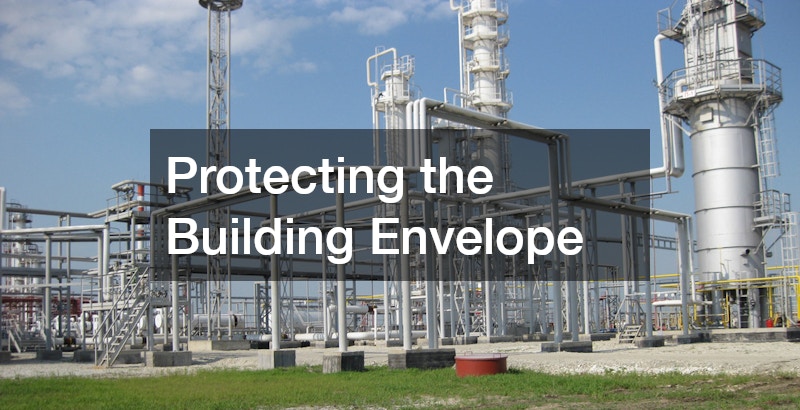
Once the foundation is secure, the focus must shift to the exterior shell of the building. The roof is the first line of defense against the elements. Whether it is a summer thunderstorm or a winter blizzard, the roofing system takes the brunt of the impact. A poorly maintained roof is a major liability; even a small leak can lead to significant interior damage, mold growth, and electrical hazards. In a commercial setting, where the roof surface area can be massive, the complexity of maintenance increases exponentially.
Property managers should develop a rigorous inspection schedule that includes clearing debris from drains and checking for signs of membrane fatigue. When the time comes for a full replacement or a major repair, selecting a firm that specializes in commercial roofing is essential. These professionals understand the nuances of flat-roof systems, such as TPO or EPDM, and can install materials that offer high wind uplift ratings. A resilient roof does more than just shed water; it acts as a thermal barrier that reduces energy consumption and protects the critical infrastructure housed on the upper floors of the facility.
Securing the Perimeter and Access
While the structural envelope protects against nature, the perimeter of the facility must also be secured against physical threats and mechanical failures. For many industrial and retail spaces, the primary points of entry are large-scale gates used for deliveries and logistics. These entryways are often the weakest points in a building’s security and weather-proofing strategy. If a gate fails to close properly, it invites unauthorized access; if it fails to open, it can trap occupants during an emergency or halt essential business operations.
Investing in heavy-duty commercial garage gates is a fundamental part of a resilience plan. These systems must be rated for high-frequency use and capable of withstanding significant wind pressure. Property managers should ensure that these gates are equipped with modern safety sensors and manual override systems that can be used during power outages. Regular lubrication of the tracks and inspection of the motor units can prevent the kind of sudden breakdowns that leave a facility vulnerable. A secure and functional gate system ensures that the flow of traffic remains controlled and the perimeter remains intact under all conditions.
Advanced Access Control and Security
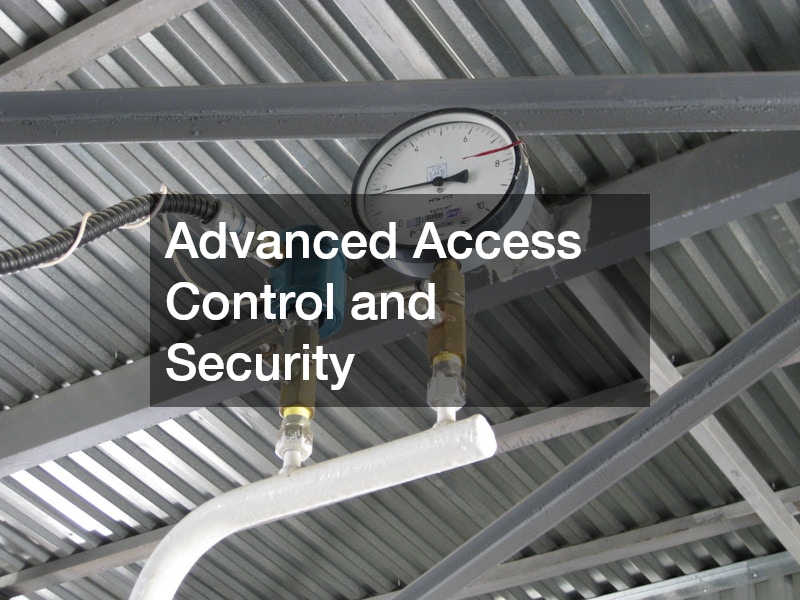
Beyond the large exterior gates, the internal security of a facility requires a specialized touch. Disaster-proofing includes preparing for scenarios where the digital security systems might fail. In the event of a cyberattack or a total power loss, the physical locks on doors become the last line of defense for sensitive areas like server rooms or executive offices. A manager must ensure that the facility is not entirely dependent on electronic systems that can be bypassed or disabled.
This is where the expertise of a commercial locksmith becomes invaluable. These professionals can design and implement master key systems that provide layered access without compromising security. They also install high-security cylinders that are resistant to picking and drilling. By maintaining a robust physical locking system, a property manager ensures that the building remains secure even when the modern tech stack is offline. Furthermore, locksmiths play a key role in life safety by ensuring that all exit hardware is compliant with fire codes, allowing for a swift and safe evacuation if the need arises.
Infrastructure and Fluid Management
The hidden systems within a building are often the most prone to failure during a crisis. The plumbing network, in particular, is a source of constant concern for facility managers. A burst pipe can cause catastrophic damage in minutes, ruining expensive equipment and causing long-term structural issues. Resilience in plumbing involves more than just fixing leaks; it requires a strategic approach to monitoring and maintenance.
One of the most critical aspects of this is the management of the main water lines that feed the building. These pipes must be protected from freezing temperatures and high-pressure surges. Installing automated leak detection systems and smart shut-off valves can provide an extra layer of protection, allowing the system to isolate a problem before it spreads. Regular pressure testing helps to identify weak spots in the lines that might fail during a peak demand period or a fire emergency. By prioritizing the health of the plumbing infrastructure, managers can avoid the mess and expense of unplanned water damage.
Mechanical Systems and Climate Control
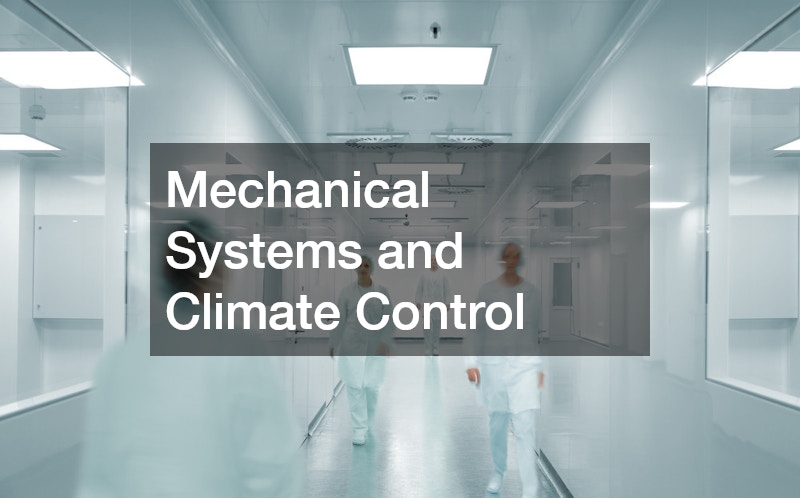
In large-scale facilities, the mechanical systems are responsible for maintaining a safe and productive environment. This is especially true for buildings that house sensitive technology or perishable goods. Climate control systems are complex and rely on a variety of components to keep the air moving and the temperatures stable. If the mechanical heart of the building stops beating, the entire facility can become uninhabitable within hours.
At the center of these cooling and heating loops are the industrial HVAC system pumps that circulate water and refrigerants. These pumps are workhorses that often run 24 hours a day. Resilience in this area is achieved through redundancy and preventative maintenance. A property manager should ensure that the system has backup pumps ready to kick in if a primary unit fails. Regular vibration analysis and seal inspections can catch mechanical wear before it leads to a total system shutdown. Keeping these pumps in top condition ensures that the facility can maintain its internal environment even during extreme external temperature spikes.
Ensuring Life Safety and Fire Protection
Perhaps the most critical responsibility of any property manager is the safety of the people inside the building. Fire is a constant threat that can escalate with terrifying speed. While modern building codes are strict, code compliance is only the bare minimum. A truly resilient facility goes beyond the minimum requirements to ensure that the life safety systems are as robust as possible. This involves a commitment to regular testing and professional oversight.
Engaging a certified fire suppression service is the only way to guarantee that the sprinklers, alarms, and chemical suppression systems will work when they are needed most. These experts perform the necessary inspections of the backflow preventers, fire pumps, and control panels. They also ensure that the system is properly charged and that all nozzles are clear of obstructions. In an emergency, every second counts. Having a well-maintained fire protection system not only saves lives but also limits the physical damage to the property, allowing for a much faster recovery after an incident.
Exterior Preservation and Maintenance
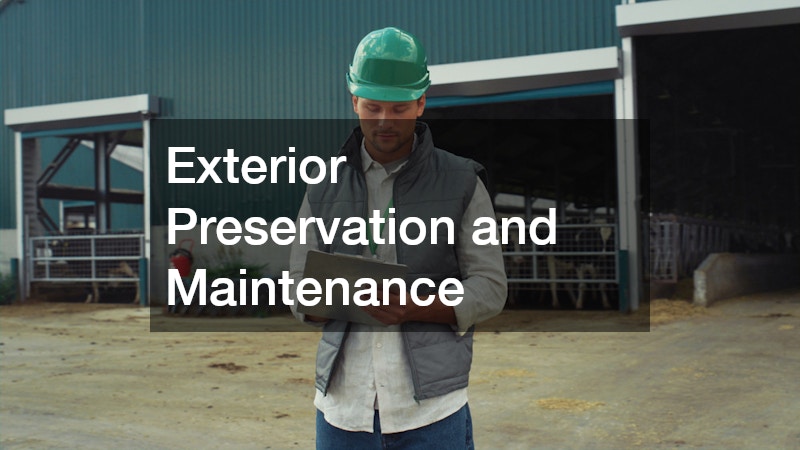
The exterior of a commercial building is constantly under attack from ultraviolet rays, moisture, and pollutants. Over time, these elements can cause the outer layers of the building to degrade, leading to corrosion of metal components and the weathering of masonry. While many managers view painting as a cosmetic task, it is actually a vital part of the building’s defensive strategy. A high-quality coating acts as a protective shield, sealing the structure against the environment.
When planning a maintenance cycle, it is important to work with commercial painters who have experience with industrial-grade coatings. These specialized paints are designed to resist fading and peeling under harsh conditions. They can also provide a vapor barrier that prevents moisture from seeping into the walls and causing rot. By keeping the exterior of the building well-sealed and painted, a property manager can extend the life of the siding and structural steel. This proactive maintenance reduces the likelihood of water intrusion and keeps the building looking professional and well-cared for.
Strategic Planning for New Developments
Resilience is easiest to achieve when it is integrated into a project from the very beginning. For property managers involved in the expansion or renovation of a facility, the early planning stages are the best time to address potential vulnerabilities. Traditional construction methods often involve a fragmented approach where the design and building phases are handled by separate firms, which can lead to communication gaps and technical errors.
A more effective model for modern facilities is the use of commercial design builds. This integrated approach brings architects, engineers, and builders together under a single contract. This collaboration ensures that the resilience goals of the property manager are clearly understood and implemented throughout the entire project. Whether it is elevating mechanical equipment to protect against flooding or reinforcing the structural frame for higher wind loads, the design-build model allows for a more cohesive and efficient process. This leads to a higher quality finished product that is better prepared for the challenges of the future.
Selecting the Right Construction Partners
The final piece of the resilience puzzle is the execution of the work itself. Even the best-laid plans will fail if the construction quality is poor. Property managers must be diligent in their selection of vendors and contractors, looking for those with a proven track record in the commercial and industrial sectors. A high-quality partner understands the complexities of working in an active facility and prioritizes safety and durability above all else.
When a major project is on the horizon, choosing an experienced construction company is the most important decision a manager can make. These firms have the resources to manage complex logistics and the expertise to handle specialized installations. They act as the central point of contact, ensuring that every subcontractor meets the high standards required for a resilient build. By fostering long-term relationships with reliable builders, property managers can ensure that their facility remains a safe and profitable asset.
In the end, disaster-proofing is not a one-time project but a continuous commitment to excellence. It requires a holistic view of the property and a willingness to invest in the systems that keep it running. By focusing on everything from the foundation to the fire alarms, a property manager can create a facility that is not just built to last, but built to thrive. Resilience is the foundation of modern property management, and those who prioritize it will find themselves well-prepared for whatever the future may hold. Through careful planning and the right partnerships, every facility can become a bastion of stability in an unpredictable world.
