
Navigating the chaotic aftermath of a motor vehicle accident can feel overwhelming, especially when drivers must handle immediate personal safety, physical vehicle recovery, and complex insurance notification processes all at once. The initial minutes following a crash often dictate how smoothly the entire physical and legal recovery process unfolds. After verifying that passengers are uninjured and moving the vehicle to a safe shoulder when possible, calling for professional roadside assistance becomes the primary objective. Motorists need a responsive roadside team that can safely move damaged automobiles away from dangerous traffic lanes without causing secondary frame, bumper, or suspension damage during transport.
Selecting a fully certified and experienced tow service ensures that passenger vehicles are moved efficiently to an accredited facility for thorough damage evaluations. Highly trained transport operators understand proper hookup procedures, flatbed loading techniques, and delicate tie-down protocols that prevent unnecessary mechanical strain on damaged drive axles and wheel assemblies. When highway collisions involve massive commercial haulers or multi-ton freight vehicles, specialized heavy recovery equipment becomes an immediate necessity to clear blocked traffic lanes. Scheduling a dedicated heavy-duty truck towing service guarantees that oversized rigs are managed with industrial rigging, preventing severe traffic gridlock and keeping surrounding motorists safe.
Table of Contents
- Navigating Legal Rights and Initial Insurance Claims
- Assessing Structural Integrity and Frame Reconstruction
- Restoring Automotive Glass and Driver Safety Systems
- Evaluating Wheel Safety and Road Traction Components
- Refinishing Exterior Surfaces and Applying Protective Wraps
- Managing Complex Accidents with Heavy Commercial Vehicles
- Coordinating Comprehensive Insurance Settlement Claims
- Final Inspection Standards and Quality Assurance Checks
- Long-Term Maintenance and Post-Repair Driving Safety
- Preserving Exterior Finishes and Completing Your Recovery
Navigating Legal Rights and Initial Insurance Claims
Once immediate roadside physical hazards are contained, accident victims must swiftly turn their attention toward protecting their legal rights and financial security. Comprehensive medical evaluations should take place immediately following a collision, even when physical injuries seem minor on scene, because soft tissue damage and spinal whip-lash often manifest days later. Thoroughly documenting physical symptoms alongside property damage creates a clear, undeniable timeline for insurance adjusters evaluating claims. Failing to collect prompt emergency room records or follow-up doctor reports can severely jeopardize legitimate claims when seeking reimbursement for hospital bills, physical therapy, or lost work wages.
Developing a clear understanding of personal injury law enables injured drivers to seek fair financial compensation for medical bills, property loss, and emotional distress. Attempting to negotiate directly with corporate insurance adjusters without legal guidance often leaves drivers vulnerable to lowball settlement offers that fail to cover ongoing healthcare expenses. When accidents involve commercial trucking fleets, corporate legal defense teams move quickly to protect their own financial interests and limit corporate liability. Retaining a seasoned truck accident attorney levels the playing field, ensuring that vital electronic logging device data, engine black box records, and driver qualification files are legally preserved before they can be overwritten or erased.
Assessing Structural Integrity and Frame Reconstruction
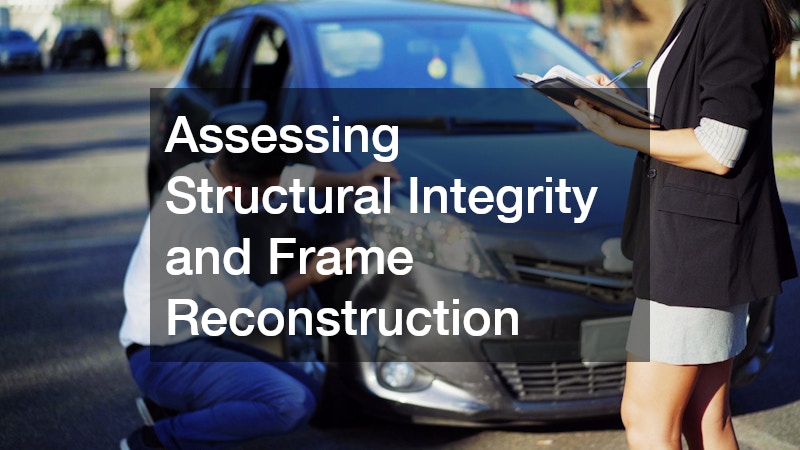
With safety secured and initial legal protections established, focus shifts toward evaluating hidden structural damage underneath the vehicle body. Modern passenger vehicles rely on intricate unibody construction engineered to absorb and distribute kinetic energy during impacts, meaning even moderate fender benders can distort underlying frame supports. Certified repair technicians utilize digital laser measuring systems to evaluate frame geometry and confirm whether the chassis matches original manufacturer tolerances before cosmetic work begins. Restoring correct frame geometry is essential because misaligned structural components compromise cabin safety zones and alter sensor calibration during future collisions.
When selecting a repair facility for structural restoration, car owners should insist on an accredited auto collision repair facility equipped with advanced alignment racks and aluminum welding systems. Factory-trained technicians systematically inspect structural pillars, suspension mounting points, and crash reinforcement bars to identify stress fractures or metal fatigue. For minor parking lot bumps or door dings where the paint layer remains completely undamaged, specialized technicians can utilize paintless car dent removal methods to restore smooth body contours without repainting. This non-invasive repair technique saves significant time, reduces repair costs, and preserves factory paint finishes when performed by skilled hands.
Restoring Automotive Glass and Driver Safety Systems
Impact forces from a collision frequently crack, chip, or shatter automotive glass components, creating immediate visibility hazards and structural safety risks. Front windshields do not merely block wind and road dust; they provide up to thirty percent of a vehicle’s structural roof strength during rollover accidents. Additionally, modern safety features, including lane departure warnings, automatic braking systems, and adaptive cruise control, rely on delicate camera modules mounted directly behind the upper windshield.
When glass damage occurs during a crash, scheduling prompt windshield repair and replacement is critical for driver visibility and structural cabin integrity. Professional glass technicians carefully remove broken glass, clean frame pinch welds, apply corrosion primers, and bond OEM-quality glass using heavy-duty urethane adhesives. Following physical glass installation, technicians perform precise electronic recalibration on forward-facing camera sensors to ensure safety features respond accurately on the road. Ignoring minor stone chips or stress cracks allows daily temperature swings to spread cracks, eventually requiring a complete glass unit replacement.
Evaluating Wheel Safety and Road Traction Components
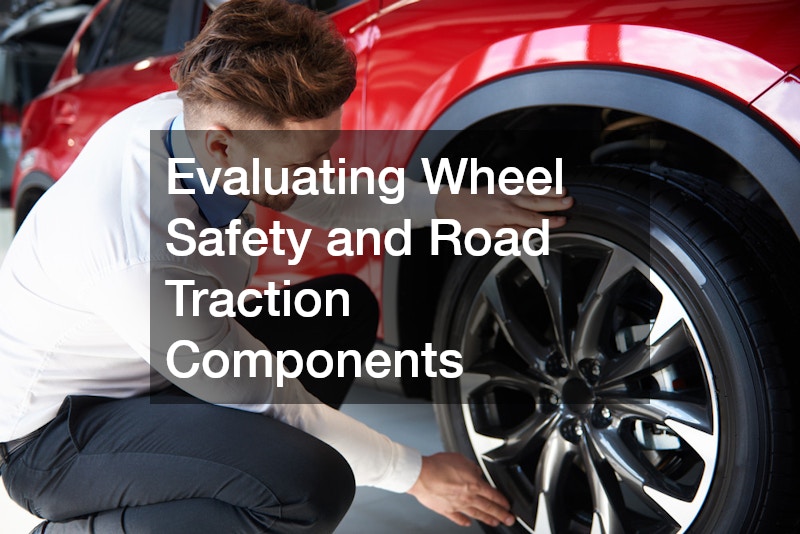
A vehicle’s connection to the road depends entirely on four rubber contact patches, making wheel and tire inspections a vital stage of post-accident safety checks. Severe side impacts against curbs, guardrails, or other vehicles can cause hidden internal tire damage that is not visible during a quick visual walkaround. Sidewall bulges, cracked rim flanges, or broken internal steel belts dramatically increase the likelihood of dangerous high-speed blowouts. Unnoticed alignment shifts caused by bent control arms or damaged tie rods can also scrub away tread depth within a few hundred miles of driving.
Installing high-performance new tires following a major collision ensures proper road grip, responsive steering control, and optimal stopping distances under wet or icy driving conditions. Certified automotive technicians balance each wheel assembly on precision machinery and adjust wheel alignment angles to prevent uneven wear and severe steering wheel vibration. When motorists experience unexpected blowouts or structural wheel failures while driving along busy highways, dispatching an emergency tow service provides safe flatbed transport directly to a tire repair center. Taking these preventive measures protects suspension components and ensures predictable handling on every trip.
Refinishing Exterior Surfaces and Applying Protective Wraps
After structural and mechanical repairs are complete, car owners naturally focus on restoring cosmetic appearance and long-term paint protection. Repaired body panels require thorough surface preparation, including rust inhibition, high-build priming, and wet sanding, before fresh paint is applied. Achieving a flawless paint match requires specialized colorimetry equipment and skilled paint blending across adjacent body panels to hide clear coat transitions. Protecting these freshly restored exterior surfaces from ultraviolet radiation, bird droppings, and highway debris helps maintain vehicle resale value for years.
For vehicle owners interested in custom styling, color changes, or fleet marketing following accident repairs, installing a durable car wrap provides a versatile and striking option. Vinyl wraps completely cover underlying body panels, protecting base paint from light scratches while showcasing vibrant custom colors or corporate graphics. To enhance gloss and simplify routine maintenance for both wrapped and painted finishes, detailers recommend applying professional ceramic coating services over the exterior. These hydrophobic liquid polymers form a permanent chemical bond with surface clear coats, repelling water, road grime, and chemical contaminants effortlessly.
Managing Complex Accidents with Heavy Commercial Vehicles
Accidents involving heavy commercial vehicles introduce complex legal and mechanical challenges due to federal motor carrier regulations and massive weight differences between vehicles. Federal rules strictly regulate commercial driver work hours, cargo loading limits, and mandatory brake maintenance schedules, creating multiple potential layers of legal liability. When loaded tractor-trailers or commercial delivery vehicles break down or crash along major interstate freight corridors, clearing the scene requires specialized heavy recovery equipment. Requesting a heavy-duty truck towing service ensures that loaded rigs, grain trailers, or utility vehicles are uprighted and transported without causing further road damage.
Recovering full financial compensation following a commercial rig collision requires navigating dense corporate insurance policies and multi-party liability claims. Retaining an experienced truck accident attorney ensures that accident victims are represented by a legal professional who understands federal transportation laws. Legal counsel moves quickly to issue spoliation letters, securing critical evidence such as driver qualification files, electronic control module data, and dispatch communication logs. This proactive legal approach ensures that commercial carriers are held accountable for mechanical neglect, driver fatigue, or improper cargo distribution.
Coordinating Comprehensive Insurance Settlement Claims
Navigating the insurance claims process after a significant collision requires methodical record-keeping and clear communication with claims representatives. Car owners should maintain an organized file containing detailed repair estimates, towing invoices, rental vehicle charges, and medical treatment records. Insurance adjusters review body shop estimates to determine whether vehicle repair costs approach total loss thresholds defined by state regulations. Understanding consumer rights regarding independent shop selection guarantees that vehicles are repaired by certified technicians using factory-approved techniques rather than substandard repair methods.
Partnering with an established personal injury law firm provides critical protection when dealing with disputed fault or aggressive insurance adjusters. Experienced attorneys review proposed settlement releases to confirm that all current medical bills, lost earnings, and future rehabilitation costs are fully covered before any claims are finalized. Simultaneously, working alongside a reputable auto collision repair shop ensures that official repair estimates include OEM replacement parts and comprehensive safety inspections. Dedicated body shops advocate directly with insurance adjusters to ensure necessary structural repairs are fully funded without compromising vehicle safety.
Final Inspection Standards and Quality Assurance Checks
As vehicle repairs reach completion, rigorous quality control inspections guarantee that every system operates safely and meets high industry standards. Qualified technicians perform comprehensive road tests to evaluate steering stability, braking balance, and interior cabin noise levels under realistic driving conditions. Exterior body panels are meticulously inspected under high-intensity lighting systems to verify panel gap uniformity, paint texture match, and clear coat depth. Identifying and correcting minor imperfections before returning keys to the owner guarantees complete satisfaction and long-term vehicle reliability.
Detailing specialists frequently utilize specialized paintless car dent removal techniques during final vehicle preparation to eliminate minor handling dings without disturbing fresh clear coat layers. At the same time, auto glass specialists conduct thorough final checks on windshield repair and replacement work, verifying that urethane adhesive seals are fully cured and camera recalibration reports show zero fault codes. These meticulous finishing steps guarantee that the fully restored vehicle delivers optimal crash protection, smooth performance, and factory-level exterior appearance.
Long-Term Maintenance and Post-Repair Driving Safety
Maintaining vehicle safety and driving performance following major collision repairs requires consistent mechanical monitoring and proactive maintenance habits. Vehicle owners should schedule a follow-up alignment check within thirty days of major body work to verify that suspension settings remain stable after initial road use. Regularly checking engine fluid levels, brake pad thickness, and steering components helps identify minor issues before they transform into costly mechanical repairs. Diligent maintenance practices protect your financial investment and ensure long-term mechanical reliability.
Inspecting tread wear patterns and maintaining correct tire pressure on new tires ensures maximum grip, predictable wet-weather handling, and efficient fuel consumption during daily travel. Rotating tires at regular five-thousand-mile intervals prevents uneven shoulder wear and preserves balanced handling characteristics across all four wheels. Should an unexpected mechanical failure or tire pressure loss occur while traveling on remote roadways, calling a dependable tow service guarantees safe transport to a trusted repair facility. Taking proactive maintenance steps combined with reliable roadside assistance keeps drivers safe under all road conditions.
Preserving Exterior Finishes and Completing Your Recovery
Achieving complete recovery after a motor vehicle accident involves both mechanical restoration and regaining personal confidence behind the wheel. Restoring a damaged vehicle to original factory standards protects long-term vehicle resale equity while ensuring all active safety features function correctly. Modern automotive repair practices offer drivers incredible opportunities to restore, protect, and even upgrade their vehicles far beyond standard pre-accident condition. Choosing qualified service professionals throughout every phase of the process makes a dramatic difference in final repair quality and overall driving satisfaction.
Opting to install a customized car wrap allows vehicle owners to refresh their car’s styling or add a protective barrier over restored body panels. Adding advanced ceramic coating services over paint or vinyl wraps creates an ultra-smooth hydrophobic barrier that repels harsh environmental elements and simplifies washing. Combining experienced legal representation, certified collision repairs, and premium surface finishes brings the total post-crash recovery journey to a successful conclusion, empowering drivers to hit the highway with complete peace of mind.
