
- Highlights:
- Why Does the Brake Pedal Go to Floor?
- What Are the Most Common Causes?
- What Should You Do If the Brake Pedal Goes to Floor While Driving?
- How Can You Prevent Your Brake Pedal From Going to Floor?
- When Should You See a Mechanic?
- Can You Fix It Yourself?
- How to Test Your Brakes After Repair
- Common Myths About a Brake Pedal Going to Floor
- How Much Does It Cost to Fix a Brake Pedal That Goes to Floor?
- Final Thoughts
Highlights:
- A brake pedal that goes to floor is a serious safety issue and usually signals a problem with the vehicle’s hydraulic brake system.
- Common causes include low brake fluid, air in the brake lines, failing master cylinder, worn brake components, brake line leaks, and brake booster problems.
- Recognizing symptoms early—soft or spongy pedal, warning lights, unusual noises, or longer stopping distances—can prevent accidents.
- Immediate actions if it happens while driving include staying calm, pumping the brakes, using the emergency brake, downshifting, and safely stopping the vehicle.
- Regular maintenance—checking fluid, inspecting lines and pads, bleeding brakes, and replacing worn components—helps prevent brake failure.
- Some fixes, like topping off fluid or bleeding brakes, can be done at home, but critical repairs like master cylinder or brake line replacement should be handled by professionals.
- Testing brakes after any repair is essential; ensure the pedal feels firm and the vehicle stops properly before resuming normal driving.
Few things are more terrifying while driving than pressing the brake pedal and realizing it goes straight to the floor. This problem is not just inconvenient—it’s dangerous. If your brake pedal suddenly feels “soft” or drops to the floor, understanding the causes and knowing how to respond can prevent accidents and costly repairs. In this guide, we’ll cover why your brake pedal goes to floor, how to troubleshoot it, and the safety measures you should take immediately.
Why Does the Brake Pedal Go to Floor?
When the brake pedal goes to floor, it usually indicates a serious problem in the braking system. The brake system relies on hydraulic pressure to stop your vehicle. If that pressure is lost or reduced, the pedal may sink all the way down.
Common signs that your brake pedal is failing include:
- Pedal feels “spongy” or soft when pressed
- Vehicle takes longer to stop than usual
- Brake warning light on your dashboard
- Strange noises when braking, like squealing or grinding
A pedal that goes to the floor is often a warning of an urgent issue, so it’s important to act quickly.
What Are the Most Common Causes?
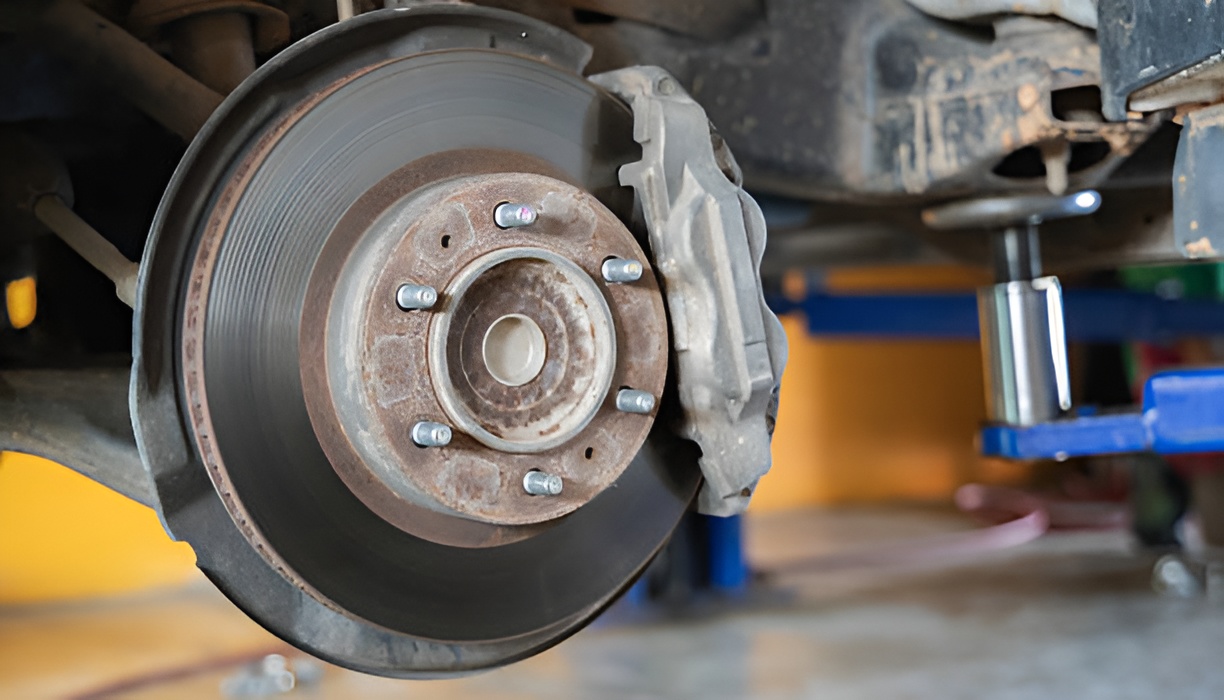
Several factors can cause your brake pedal to go to floor. Understanding these causes in detail can help you troubleshoot the issue yourself or describe it accurately to a mechanic, which can save time and prevent misdiagnosis.
1. Low Brake Fluid
Low brake fluid is the most common and often the easiest cause to check. Brake fluid is a hydraulic fluid that transmits the force from your foot on the brake pedal to the brake calipers or drum brakes, creating the friction needed to stop your vehicle.
Over time, brake fluid can drop due to natural wear in the system, leaks, or evaporation if the reservoir cap isn’t sealed correctly. If fluid levels get too low, your brakes won’t generate enough pressure, causing the pedal to sink to the floor.
Signs of low brake fluid:
- Warning light on the dashboard (often a red or amber brake symbol)
- Pedal feels soft, spongy, or sinks toward the floor easily
- Visible fluid leaks underneath the car or near the wheels
- Unusual braking noises, like grinding or squealing
How to fix low brake fluid:
- Check the brake fluid reservoir regularly; it’s usually located near the firewall in the engine bay.
- Top up with the correct type of brake fluid for your vehicle (DOT 3, DOT 4, etc.). Never mix types unless recommended.
- Inspect brake lines, hoses, and the master cylinder for leaks. Any leaks must be repaired before driving, as topping off alone won’t solve the underlying problem.
2. Air in the Brake Lines
Air in the brake lines can be surprisingly problematic because the brake system relies on incompressible fluid. Air is compressible, so even a small amount of trapped air can make the pedal feel mushy, soft, or cause it to go all the way to the floor.
Air can enter the system during brake fluid changes, repairs, or if there’s a leak somewhere in the lines. It disrupts the hydraulic pressure and reduces the brake system’s efficiency.
Symptoms of air in brake lines:
- Pedal feels soft, spongy, or inconsistent
- Brakes grab or hesitate unexpectedly
- Unusual squeaks or hissing sounds during braking
Fixing air in brake lines:
- Bleed the brakes using the proper procedure for your vehicle. This typically involves opening bleeder valves on each caliper or wheel cylinder while a helper presses the pedal.
- Ensure all brake lines are tightly sealed during bleeding to prevent new air from entering.
- Check the fluid reservoir and keep it topped up during the bleeding process to avoid introducing more air.
3. Brake Master Cylinder Failure
The master cylinder is the central component that generates hydraulic pressure for your braking system. When you press the brake pedal, the master cylinder pushes fluid through the brake lines to the calipers or drum brakes.
If the master cylinder fails internally due to worn seals or corrosion, the hydraulic pressure cannot be maintained. This often causes the pedal to gradually sink to the floor, even if there’s enough brake fluid in the reservoir.
Signs of a failing master cylinder:
- Pedal gradually sinks to the floor when pressed
- Brake fluid leaks near the cylinder itself
- Poor braking performance even after topping off fluid
- Brake warning lights may remain on
Repair options:
- Replace the master cylinder entirely, as internal seal failure cannot be repaired effectively
- Inspect surrounding components like brake lines and boosters for wear or damage
- After replacement, bleed the brake system thoroughly to remove air
4. Worn Brake Components
Brake pads, shoes, and rotors naturally wear out over time. Worn components may not create enough friction, causing the pedal to feel soft or extend further than normal. While wear alone rarely causes the pedal to go completely to the floor, it can exacerbate other issues like low fluid or air in the lines.
Symptoms of worn brake components:
- Squealing, grinding, or metallic scraping noises
- Reduced braking efficiency and longer stopping distances
- Vibrations in the brake pedal or steering wheel
Fix:
- Inspect and replace worn brake pads, shoes, or rotors as needed
- Ensure all components are installed properly and lubricated where necessary
- Check for uneven wear, which could indicate alignment or caliper problems
5. Brake Line Leaks
Brake line leaks are another common culprit. Brake lines carry hydraulic fluid to each wheel, and any rupture or corrosion can reduce the system’s pressure. Even a small leak can cause the brake pedal to sink to the floor when you apply pressure.
Leaks often occur due to:
- Rust and corrosion in older vehicles
- Physical damage from road debris or accidents
- Loose or faulty fittings
Signs of brake line leaks:
- Fluid pooling under the car near the wheels or along the undercarriage
- Pedal feels soft, spongy, or slowly sinks
- Dashboard brake warning lights illuminate
Fix:
- Locate the source of the leak carefully; small leaks can be hard to see
- Replace the damaged brake line or fittings as necessary
- Bleed the brake system afterward to remove any air that entered
6. Problems With Brake Booster
The brake booster helps reduce the effort needed to press the brake pedal by using engine vacuum or hydraulic pressure. A failing booster can make the pedal feel either extremely hard or, in some cases, give a sensation similar to the pedal going to the floor if the brakes are not getting enough assistance.
Booster failure is often caused by:
- Leaks in vacuum lines
- Diaphragm damage inside the booster
- Malfunctioning check valves
Signs of brake booster issues:
- Pedal feels hard to press or inconsistent in resistance
- Engine stalls or idles rough when brakes are applied
- Hissing noises under the hood, often when pressing the brake pedal
Fix:
- Test the vacuum supply to the booster to ensure it’s consistent
- Replace the booster if it’s defective
- Inspect all associated vacuum lines for cracks or leaks and replace if needed
What Should You Do If the Brake Pedal Goes to Floor While Driving?
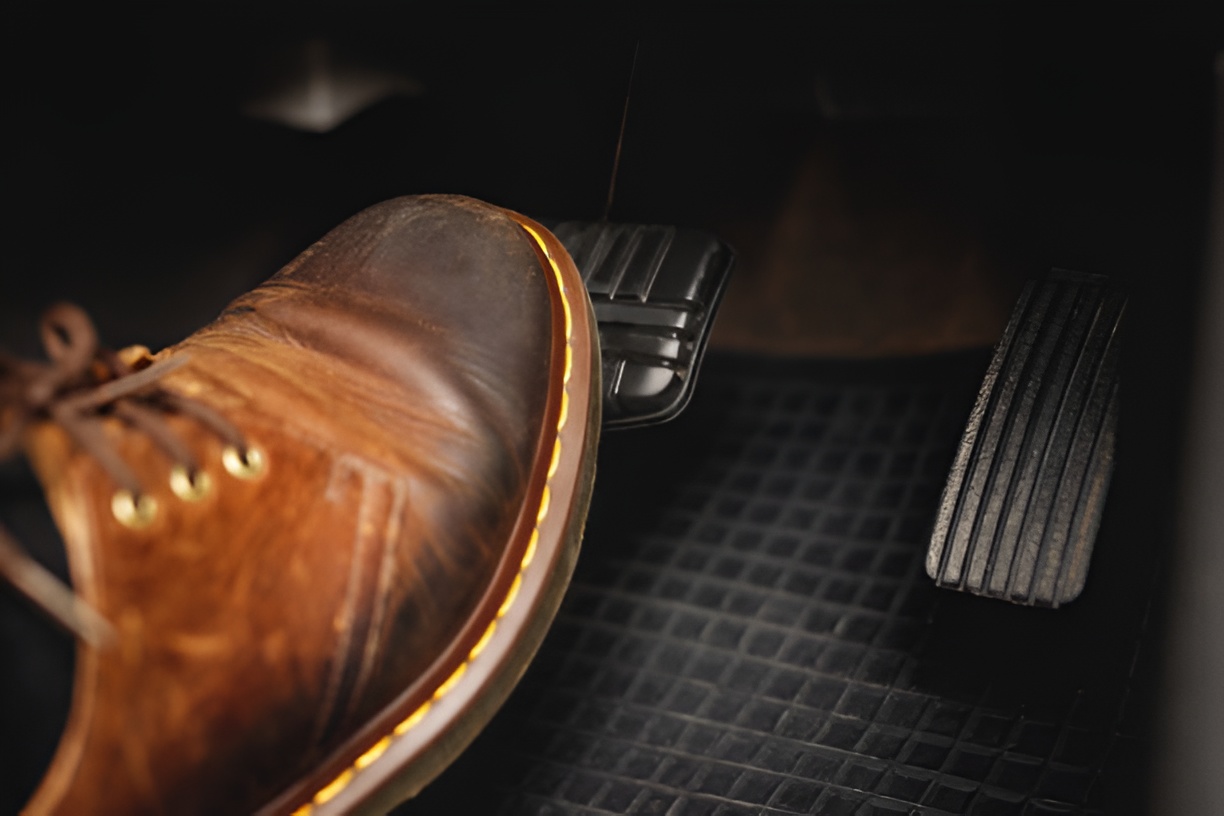
Experiencing a brake pedal that goes to floor while driving is an emergency. Follow these steps to stay safe:
- Stay calm and alert. Panic can make the situation worse.
- Pump the brakes. Sometimes pressure can be temporarily regained by pumping the pedal.
- Use the emergency brake. Apply it gradually to avoid locking the rear wheels.
- Downshift if driving a manual or automatic. Use engine braking to slow down.
- Look for a safe place to stop. Avoid sudden turns or swerving.
- Warn other drivers. Use hazard lights to alert cars behind you.
After safely stopping, do not continue driving until the brakes are repaired. Driving with a compromised brake system is extremely dangerous.
How Can You Prevent Your Brake Pedal From Going to Floor?
Prevention is key to avoiding brake failures. Regular maintenance and checks will keep your braking system in top condition.
Maintenance tips:
- Check brake fluid levels regularly and top off as needed
- Inspect brake lines, pads, and rotors for wear
- Replace master cylinder or booster components if they show signs of wear
- Bleed brakes every couple of years or after any repair that involves opening the system
- Listen for unusual noises and respond promptly
Seasonal Tips
Brakes can be affected by weather conditions. Cold weather can thicken fluid, while heat can reduce effectiveness. Adjust maintenance routines for seasonal changes:
- Winter: Check fluid and lines for freezing or corrosion
- Summer: Inspect for overheating signs and brake fade
When Should You See a Mechanic?
Even if you temporarily regain pedal pressure by pumping brakes or adding fluid, the underlying problem may still exist. You should see a mechanic immediately if:
- Brake pedal continues to sink
- You notice leaks in fluid lines
- Brakes make unusual noises or vibrations
- Warning lights remain on
Delaying repair can lead to complete brake failure, accidents, or costly damage to other brake components.
Can You Fix It Yourself?
Some brake problems can be fixed at home, especially if you have mechanical experience:
DIY fixes:
- Topping off brake fluid
- Bleeding air from lines
- Replacing worn brake pads or rotors
What should be left to professionals:
- Master cylinder replacement
- Brake line repairs or replacements
- Complex hydraulic issues
Remember, brakes are critical safety components. If you’re not confident in your skills, it’s better to have a certified mechanic handle it.
How to Test Your Brakes After Repair
Once repairs are completed, you should test your brakes carefully:
- Park in a safe, empty area
- Press the brake pedal gradually to check firmness
- Test brakes at low speed before resuming normal driving
- Make sure the pedal does not sink or feel spongy
If the pedal still goes to floor, do not drive—return to the mechanic for further inspection.
Common Myths About a Brake Pedal Going to Floor
There are misconceptions that can make drivers delay repairs. Let’s bust a few:
- Myth: “If I pump the brakes, I don’t need to worry.” Pumping may temporarily help, but it doesn’t fix leaks, air in lines, or failing master cylinders.
- Myth: “Low brake fluid is not a big deal.” Low fluid is often a sign of leaks or worn components; ignoring it can cause complete brake failure.
- Myth: “Brake problems happen suddenly.” Most issues develop gradually. Spongy pedals or strange noises are early warning signs.
How Much Does It Cost to Fix a Brake Pedal That Goes to Floor?
The cost depends on the cause and your vehicle type:
- Brake fluid refill: $10–$30
- Brake pad/rotor replacement: $150–$400 per axle
- Master cylinder replacement: $200–$500+
- Brake line repair: $150–$400
- Brake booster replacement: $300–$700
Labor rates vary by location and vehicle, so always get multiple estimates if possible.
Final Thoughts
A brake pedal that goes to floor is not something to ignore. Whether it’s low fluid, air in the lines, or a failing master cylinder, the result is a dangerous situation that requires immediate attention. Knowing the causes, recognizing the warning signs, and responding correctly can save your life and prevent accidents.
Regular maintenance, attention to unusual brake behavior, and professional repairs are key to keeping your brakes reliable. Stay alert, follow safety precautions, and never drive with compromised brakes.
By understanding why your brake pedal goes to floor and how to respond, you can drive with confidence, knowing that you’re prepared for one of the most serious issues a vehicle can experience.
