
Preventive care is one of the most overlooked aspects of vehicle ownership, yet it has the biggest long-term payoff. Whether you rely on a car for daily commuting, keep a motorcycle for weekend rides, or use both regularly, consistent maintenance does far more than keep things running smoothly. It protects your safety, preserves resale value, and saves you from surprise expenses that can derail your budget. These benefits become even more noticeable as vehicles age and parts experience natural wear.
Many drivers and riders fall into a reactive mindset—waiting until something breaks, makes noise, or triggers a warning light. By then, damage has often spread beyond a simple fix. Preventive care flips that script. It focuses on early detection, smart upgrades, and routine habits that reduce wear before it becomes costly. This proactive mindset helps owners feel more in control of their vehicles.
Over time, this approach doesn’t just reduce repairs; it lowers stress and gives you greater confidence every time you hit the road. You’re less likely to be stranded, late, or facing a major bill with no warning. Preventive care also supports safer driving conditions for everyone around you.
This article explores how preventive care applies to both cars and bikes, covering inspections, storage, safety planning, upgrades, and early intervention. Each section focuses on actionable steps you can take to avoid larger problems and protect both your vehicle and your wallet. The goal is to help you make informed decisions that pay off long after the work is done.
- Schedule Routine Inspections Before Problems Escalate
- Maintain Entry Points and Storage Areas That Protect Vehicles
- Document Maintenance to Protect Yourself After Collisions
- Address Minor Cosmetic Damage Before It Spreads
- Install Electronics Correctly to Avoid Electrical Failures
- Protect Exterior Surfaces Against Environmental Damage
- Prepare for Breakdowns Before You’re Stranded
- Inspect Towing and Load Equipment Regularly
- Fix Wheel Damage Early to Preserve Handling and Safety
- Monitor Drivetrain Performance to Avoid Major Failures
Schedule Routine Inspections Before Problems Escalate
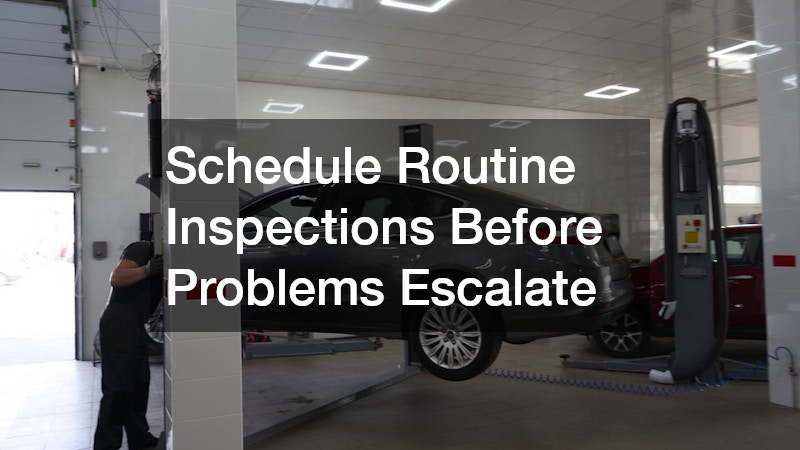
Regular inspections are the foundation of preventive care. Small issues rarely stay small when ignored, especially in complex mechanical systems. Routine checkups allow professionals to spot wear, leaks, and misalignments before they spiral into breakdowns that require extensive auto repair. This early awareness gives you more options and better timing for fixes.
Cars and motorcycles both benefit from consistent inspections, though the focus areas differ slightly. For cars, inspections often include brakes, suspension, steering components, belts, hoses, and fluids. For bikes, chains, sprockets, cables, tire condition, and brake systems require closer attention. Understanding these differences ensures nothing critical is overlooked.
In both cases, early detection saves time and money. Preventive inspections help you:
-
Catch fluid leaks before they cause engine or drivetrain damage
-
Identify uneven tire wear that signals alignment or suspension problems
-
Replace worn components before they fail unexpectedly
-
Maintain consistent performance and fuel efficiency
These checks also create a documented maintenance history that benefits resale value.
A simple habit that pays off is tying inspections to mileage or ride time rather than waiting for symptoms. Even if your vehicle “feels fine,” hidden wear may already be developing. Scheduling inspections at predictable intervals turns maintenance into a planned expense instead of an emergency. This consistency makes budgeting far easier.
Maintain Entry Points and Storage Areas That Protect Vehicles
Where you store your vehicle plays a bigger role in longevity than many people realize. Exposure to moisture, temperature extremes, and pests can quietly accelerate deterioration. Properly maintained storage spaces—and functional access systems like garage door installations—help shield vehicles from environmental damage. This protection reduces both cosmetic and mechanical wear.
A secure, well-sealed garage protects paint, rubber components, wiring, and interior materials. For motorcycles and bikes, covered storage prevents rust on exposed metal parts and reduces UV damage to seats and plastics. A poorly functioning garage door can create gaps that allow water intrusion or sudden closure accidents. Over time, these issues add up.
Preventive steps include:
-
Ensuring doors open and close smoothly without jerking
-
Checking weather seals to keep moisture and debris out
-
Maintaining adequate ventilation to reduce condensation
-
Keeping storage areas clean to deter rodents and insects
These steps also make daily access safer and more convenient.
When access points work properly, you reduce accidental damage and create a safer environment for both vehicles and people. Over time, protected storage dramatically reduces cosmetic and mechanical wear, preserving value with minimal effort. It also minimizes cleaning and repair frequency.
Document Maintenance to Protect Yourself After Collisions

Preventive care isn’t just about mechanical reliability—it can also protect you financially after an accident. Detailed maintenance records show that your vehicle was properly cared for, which can matter when liability or damages are questioned. In some cases, these records may be reviewed by insurers or even an automobile accident lawyer. Proper documentation strengthens your position.
Poor maintenance can complicate claims. Worn brakes, bald tires, or ignored warning lights may be used to argue negligence. Keeping records demonstrates responsible ownership and helps establish that mechanical failure wasn’t caused by neglect. This clarity can make a meaningful difference during disputes.
Important documentation to keep includes:
-
Service receipts and inspection reports
-
Records of tire replacements and brake work
-
Notes on recalls or manufacturer-recommended maintenance
-
Photos documenting vehicle condition over time
Having this information readily available saves time when it matters most.
Digital storage makes this easier than ever. Scanning receipts or using maintenance-tracking apps ensures records are available when needed. Preventive care combined with proper documentation adds a layer of legal and financial protection most drivers don’t think about until it’s too late. That preparation can significantly reduce post-accident stress.
Address Minor Cosmetic Damage Before It Spreads
Small dents, chips, and scratches may seem purely cosmetic, but they often lead to bigger problems if ignored. Exposed metal can rust, cracked paint can peel, and minor impacts can compromise structural integrity. Addressing these issues early through an auto body shop can prevent far more expensive repairs later. Early fixes also maintain visual appeal.
Cosmetic damage affects both cars and bikes. Road debris, parking mishaps, and tip-overs happen, especially in urban environments. While the damage may not affect drivability immediately, it often weakens protective coatings and creates entry points for corrosion. These weak points worsen over time.
Early intervention helps:
-
Stop rust from spreading beneath paint surfaces
-
Preserve resale and trade-in value
-
Prevent small cracks from expanding due to vibration
-
Maintain structural strength in panels and frames
This proactive approach keeps repairs smaller and more manageable.
A good rule of thumb is to address cosmetic damage while it’s still localized. Waiting often means repainting larger areas or replacing entire panels. Preventive repairs protect both appearance and function while keeping costs under control. They also reduce downtime.
Install Electronics Correctly to Avoid Electrical Failures
Modern vehicles rely heavily on electrical systems, and improper installations can cause ongoing problems. Whether adding sound systems, navigation, or accessories, poorly executed car audio installations often lead to battery drain, shorts, or system malfunctions. Electrical reliability depends on correct setup.
Electrical issues are notoriously difficult and expensive to diagnose once they spread. Loose wiring, incorrect grounding, and overloaded circuits can affect unrelated systems and even show up intermittently, making them harder to fix. These problems often worsen with vibration and temperature changes.
Preventive planning includes:
-
Using professionals familiar with your vehicle’s electrical architecture
-
Ensuring upgrades are compatible with existing systems
-
Avoiding splicing into critical wiring harnesses
-
Planning future upgrades to prevent repeated rewiring
Thoughtful planning reduces long-term electrical risks.
Correct installation from the start protects your vehicle’s electronics and prevents frustrating electrical gremlins. Preventive care in this area saves countless hours of troubleshooting and unnecessary part replacements. It also helps maintain manufacturer warranties.
Protect Exterior Surfaces Against Environmental Damage
Environmental exposure is one of the biggest contributors to long-term wear. Sunlight, road salt, bird droppings, and airborne pollutants gradually degrade paint and finishes. Applying protective treatments like ceramic coating creates a barrier that slows this damage significantly. This protection is especially valuable in harsh climates.
Preventive exterior protection benefits both cars and motorcycles. Paint protection reduces oxidation, fading, and staining, while also making cleaning easier. For bikes, exposed components benefit from added resistance to moisture and debris. This extends the life of visible and functional surfaces.
Benefits of proactive surface protection include:
-
Reduced paint fading and oxidation
-
Easier removal of dirt and contaminants
-
Longer-lasting gloss and finish quality
-
Improved resistance to minor scratches
These advantages reduce maintenance effort over time.
While protective coatings involve upfront cost, they reduce long-term maintenance and repainting expenses. Over time, this investment preserves appearance and resale value while reducing cleaning effort. It also helps vehicles age more gracefully.
Prepare for Breakdowns Before You’re Stranded
No matter how well you maintain a vehicle, unexpected issues can still occur. Preventive care includes planning for emergencies so that when something goes wrong, it’s manageable rather than overwhelming. Having access to a reliable tow truck service is part of that preparation. Preparedness limits disruption.
Breakdowns often become more expensive due to panic decisions. Without a plan, drivers may accept the first available service at premium rates. Preparation reduces stress and helps you make informed choices even in difficult situations. Calm decision-making saves money.
Preventive readiness includes:
-
Keeping emergency contact numbers accessible
-
Knowing your roadside assistance coverage details
-
Maintaining basic emergency supplies in your vehicle
-
Addressing warning signs early to reduce breakdown risk
These steps also increase personal safety during roadside incidents.
Preparedness doesn’t mean expecting failure—it means minimizing disruption when the unexpected happens. This mindset protects both your time and your finances. It also supports safer outcomes during emergencies.
Inspect Towing and Load Equipment Regularly
Towing equipment experiences high stress, yet it’s often overlooked during routine maintenance. Worn or damaged hitches can fail under load, creating serious safety risks and costly accidents. Regular inspections help ensure towing remains safe and reliable. Small checks prevent major incidents.
Preventive checks should focus on:
-
Rust or corrosion on mounting points
-
Cracks, bends, or looseness in hardware
-
Proper torque on fasteners
-
Compatibility with current load requirements
These inspections are quick but critically important.
Even small amounts of wear can compromise towing stability. Inspecting equipment before every major haul reduces accident risk and protects both your vehicle and anything you’re transporting. Preventive care here isn’t optional—it’s essential for safety. It also protects other drivers on the road.
Fix Wheel Damage Early to Preserve Handling and Safety
Wheel damage often goes unnoticed until handling problems arise. Potholes, curbs, and debris can bend or crack wheels, affecting alignment and tire wear. Addressing these issues early through rim repair prevents further damage to suspension and steering components. Early correction improves stability.
Signs of wheel damage include:
-
Steering wheel vibration
-
Uneven tire wear
-
Pulling to one side
-
Difficulty maintaining balance on bikes
Recognizing these signs early prevents escalating problems.
Ignoring these symptoms accelerates wear on tires and suspension parts. Early correction restores handling and prevents secondary damage that costs far more to fix. Preventive attention to wheels improves safety and driving comfort. It also extends tire life.
Monitor Drivetrain Performance to Avoid Major Failures
The drivetrain is one of the most expensive systems to repair, making preventive care especially important. Subtle changes in shifting behavior, delayed engagement, or unusual noises often signal early problems that can be resolved before full transmission repairs become necessary. Early awareness is key.
Preventive habits include:
-
Regular fluid checks and changes
-
Paying attention to shifting smoothness
-
Addressing leaks immediately
-
Avoiding aggressive driving when symptoms appear
These habits slow wear and prevent sudden failure.
Early intervention can mean the difference between a simple service and a complete rebuild. Monitoring performance and responding quickly protects your vehicle’s most critical systems and saves thousands over time. It also helps maintain reliability under daily use.
Preventive care is ultimately about control—control over costs, safety, and reliability. By addressing issues early, planning upgrades carefully, and maintaining both mechanical systems and storage environments, vehicle owners reduce uncertainty and extend the life of their cars and bikes. This control leads to better long-term outcomes.
The habits discussed throughout this article share a common theme: consistency. Small, regular actions compound into significant savings and peace of mind. Preventive care transforms ownership from a cycle of unexpected repairs into a predictable, manageable experience. That predictability is invaluable.
When vehicles are cared for proactively, they perform better, last longer, and retain value. Just as importantly, preventive care protects your time and budget, allowing you to focus on enjoying the ride rather than worrying about what might break next. It’s a smarter way to own and maintain any vehicle.
