The freedom of taking to the open highway on a custom bagger is an experience unlike any other in motorcycling. Low-slung frames, high-output engines, tuned suspensions, and precision bodywork make heavy touring bikes the absolute pinnacle of long-distance riding. However, logging thousands of miles across state lines inevitably brings unpredictable road conditions, mechanical wear, transit logistics, and roadside hazards.
Long-distance touring is rarely a solo venture. Behind every great motorcycle run, multi-state rally, or custom build showcase sits a critical support network. Whether you pull your bagger in a custom toy hauler, run a dedicated chase vehicle loaded with spare parts and gear, or maintain a specialized home workshop to keep your fleet running smoothly, your road readiness depends heavily on services that extend far beyond a basic motorcycle garage. Having a clear grasp of essential automotive maintenance, heavy transport recovery, structural repairs, and post-incident care ensures that a single mechanical setback or traffic incident will not end your trip permanently.
- Protecting Your Garage Equipment and Chase Vehicles
- Transport Logistics: Maintaining Your Hauling Rigs and Trailers
- Workshop Mastery: Hands-On Customization and Routine Maintenance
- Bodywork Care and Performance Exhaust Fabrications
- Post-Accident Care: Legal Protection and Physical Rehabilitation
- Using This Guide for Auto Maintenance and Repairs
Protecting Your Garage Equipment and Chase Vehicles
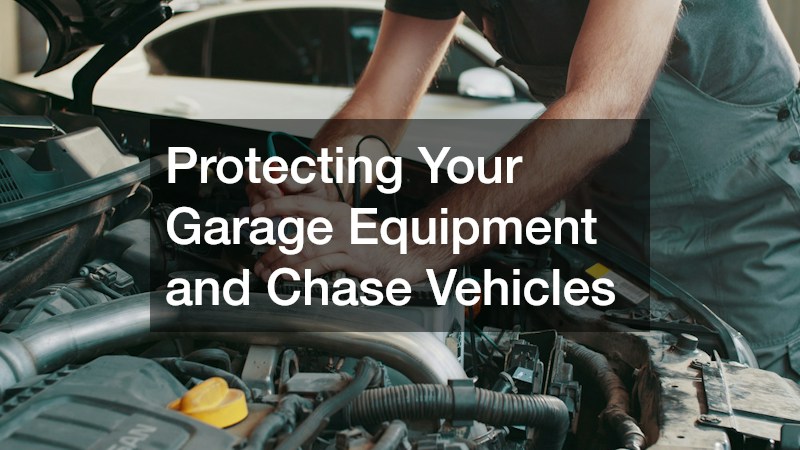
Maintaining an active riding lifestyle requires keeping your support vehicles, chase trucks, and transport rigs in prime condition. When driving across regions with harsh climates, high heat, and variable terrain, your support fleet bears the brunt of the journey. Equipping these vehicles with the right upgrades keeps support drivers comfortable, prevents equipment strain, and protects delicate cargo.
Maximizing Driver Comfort and Interior Protection During Long Drives
Driving a support truck for eight to twelve hours a day behind a pack of riders is physically demanding. Sun glare, heat buildup, and UV exposure through expansive truck windows create cabin fatigue, increase cab temperatures, and force air conditioning systems to run constantly.
-
Thermal and Solar Control: High-performance window films utilize nano-ceramic technology to block infrared heat without requiring excessively dark tint shades. This keeps support vehicle interiors significantly cooler during summer rally runs.
-
UV Ray Mitigation: Long-term exposure to sunlight through unshaded side glass can fade custom leather upholstery, crack dash panels, and cause driver fatigue. Quality film installations mitigate up to 90% of harmful UV rays.
-
Glare Reduction: Driving directly into sunrise or sunset creates severe visual fatigue. Professional auto window tinting helps diffuse harsh glare, giving support drivers a clear view of the road and the motorcycles they are following.
Focusing on cab comfort and environmental control keeps support crews alert, helping them spot hazards early and maintain safe following distances.
Upgrading Chase Trucks for Heavy Equipment and Rough Terrain
A standard pickup truck often struggles when loaded with heavy toolboxes, spare wheels, hydraulic jacks, and a fully loaded bike trailer. Customizing the chassis and stance of your support vehicle improves stability, ground clearance, and load capacity.
-
Handling Heavy Payloads: Heavy cargo depresses stock truck springs, causing the rear end to sag and unweighting the front steering axle. Upgrading the spring packs and dampers restores proper geometry and control.
-
Navigating Off-Road Campsites: Rally grounds, grassy fields, and unpaved pit areas present deep ruts, mud, and uneven slopes. Installing a quality suspension lift kit gives chase trucks the necessary axle clearance and articulation to navigate rough terrain without bottoming out.
-
Trailer Alignment Considerations: Raising a vehicle changes tow hitch height. Always match chassis modifications with adjustable drop hitches to keep enclosed motorcycle trailers level during transport.
A properly configured support vehicle handles heavy equipment safely, keeping your gear protected no matter where the road leads.
Transport Logistics: Maintaining Your Hauling Rigs and Trailers
Transporting a high-value custom motorcycle long distances requires robust hauling equipment. Whether using a tandem-axle enclosed trailer, an open car-hauler setup, or a heavy-duty RV toy hauler, your trailering gear must be inspected and serviced regularly to avoid highway breakdowns.
Pre-Trip Structural Checks for Haulers and Toy Haulers
Trailer failures on the highway can lead to severe accidents and catastrophic damage to high-end motorcycles. Routine maintenance of towing systems is just as vital as engine work on your primary tow vehicle. You may need to call a professional for truck and trailer repair.
-
Wheel Bearings and Hubs: Trailer wheel bearings rotate at extremely high speeds under heavy loads. Repacking bearings with high-temperature grease and replacing worn seals prevents thermal hub failures on high-speed interstate runs.
-
Brake Systems and Actuators: Electric and surge trailer brakes require continuous monitoring. Inspect brake shoes, magnet connections, and breakaway safety switches before any multi-state trip.
-
Chassis and Frame Structural Integrity: Constant road vibration causes metal fatigue. Inspect frame welds, ramp door hinges, leaf spring shackles, and floor tie-down anchors to ensure structural safety.
Executing thorough pre-trip inspections keeps your hauling rig operating smoothly and protects your motorcycle from unexpected transit hazards.
Handling Heavy Vehicle Recovery for Large Transports and Rigs
When a Class 8 transport rig, large motorhome, or heavy dual-rear-wheel support truck breaks down on a rural highway, standard light-duty tow trucks cannot safely move the load.
-
High-Capacity Recovery Equipment: Disabling a heavy tow rig carrying multiple custom motorcycles requires specialized heavy truck towing operators who use heavy-duty booms, underlifts, and air-brake hookups.
-
Cargo Preservation: Experienced operators understand how to tow fully loaded rigs without causing frame twist or damaging low-clearance trailer bodywork.
-
Roadside Clearance: Clearing a disabled transport rig quickly from narrow highway shoulders minimizes risk for oncoming traffic and secondary accidents.
Knowing which heavy recovery specialists operate along your planned route ensures that towing a disabled rig remains an organized logistical task rather than a chaotic emergency.
Workshop Mastery: Hands-On Customization and Routine Maintenance
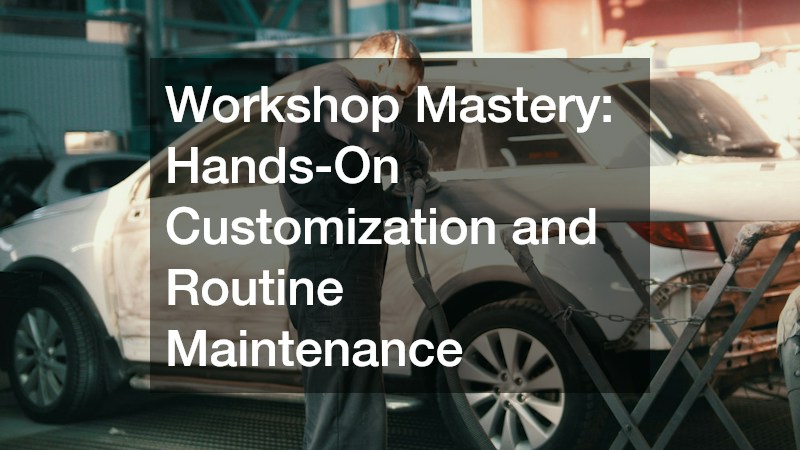
Riders who build, modify, or maintain their own custom motorcycles often need access to tools and equipment beyond what a typical residential garage offers. Keeping primary support vehicles running reliably requires a disciplined mechanical schedule and professional shop equipment.
Accessing Professional Tools and Workspaces for Independent Builds
Working on custom frame geometry, heavy exhaust installations, or engine teardowns often requires specialized tools like frame jigs, hydraulic vehicle lifts, high-output air compressors, and tire changers.
-
Access to Heavy Equipment: Utilizing dedicated diy auto shops gives home builders access to professional hydraulic lifts, heavy-duty presses, and specialized extraction tools that make difficult repairs straightforward.
-
Safe Fluid and Component Disposal: Working in fully equipped self-service bays simplifies environmental compliance by offering proper collection systems for used oil, coolant, and brake fluid.
-
Controlled Assembly Environments: Dedicated bay spaces provide clean, level concrete floors and focused overhead lighting, which are essential when performing precise engine measurements or alignment adjustments.
Taking advantage of commercial shop environments improves work quality while keeping difficult mechanical tasks safe and organized.
Essential Fleet Servicing to Prevent Breakdown Delays
Your motorcycle and support fleet require consistent, preventive mechanical maintenance. Waiting for component failure on the highway leads to costly repairs, dangerous situations, and missed events.
-
Fluid and Filter Schedules: High-stress towing breaks down engine oil, transmission fluid, and differential lubricants quickly. Following strict service intervals protects vital engine parts during long hauls.
-
Cooling System Performance: Towing heavy loads across desert corridors places extreme demands on cooling systems. Checking water pumps, radiators, hoses, and thermostats prevents engine overheating.
-
Drivetrain and Axle Maintenance: Wear on universal joints, drive shafts, wheel bearings, and CV joints can cause severe vibration and drivetrain failure. Inspecting these components regularly keeps support trucks operating smoothly.
Comprehensive auto repair practices keep your support vehicles running dependably, ensuring they are always ready to haul your motorcycle fleet across long distances.
Bodywork Care and Performance Exhaust Fabrications
Custom baggers and high-end support vehicles are functional works of art. Maintaining their appearance and mechanical performance requires skilled craftsmanship, precise metalworking, and specialized fabrication.
Repairing Minor Dings and Sheet Metal Damage Without Repainting
Road debris, stray stones, and minor garage mishaps can leave unsightly dings on custom gas tanks, fenders, or support truck panels. Preserving the original factory or custom paint finish is always preferable to repainting.
-
Preserving Custom Paint Investment: Repainting a single panel on a custom bike or truck can cost thousands of dollars and risk color mismatch. Precision metalworking techniques reshape sheet metal without disturbing the clear coat.
-
Underside Metal Access: Technicians use specialized rods and picks inserted through inner door panels or fuel tank fills to massage bent metal back into its original shape.
-
Skill Development and Application: Technicians who undertake paintless dent repair training master the art of reading light reflection lines and managing metal memory, enabling invisible repairs on curved sheet metal panels.
Preserving existing paintwork keeps your custom vehicles looking pristine while saving time and maintaining overall value.
Customizing Pipe Fabrication and Backpressure Systems
A high-performance motor requires an efficiently designed exhaust system to scavenge exhaust gases, optimize backpressure, and generate horsepower. Exhaust systems must handle intense thermal expansion without leaking or cracking.
-
Custom Fabrication and Header Alignment: High-output engines demand precision-bent headers and leak-free welds. Tailored auto exhaust repair services help riders fix cracked headers, repair broken mount brackets, and eliminate exhaust leaks that compromise engine power.
-
Heat Management: Custom exhaust runs generate substantial radiant heat. Proper routing, heat shielding, and ceramic coatings protect nearby frame rails, brake lines, and wiring harnesses.
-
Backpressure and Tuning Balance: Designing an exhaust system involves balancing free-flowing gas discharge with proper backpressure to maintain low-end torque on heavy touring motorcycles and support trucks alike.
Properly fabricated and maintained exhaust systems deliver crisp throttle response, clean exhaust notes, and reliable performance under high engine loads.
Post-Accident Care: Legal Protection and Physical Rehabilitation
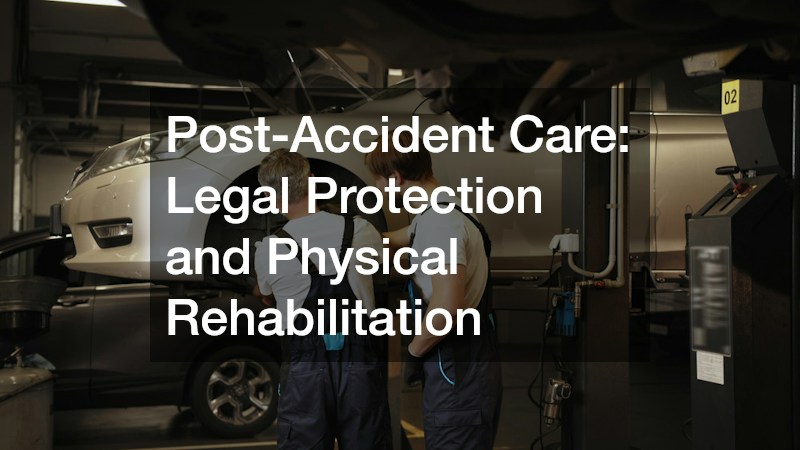
Even the most cautious riders face risks from distracted drivers, road hazards, and poor weather conditions. If an accident occurs, knowing how to handle legal protection and medical recovery is vital for your health and long-term financial security.
Securing Expert Representation After Roadside Collisions
Motorcycle accidents involve complex liability considerations, biased initial police reports, and intricate insurance negotiations. Standard auto accident claims do not account for the true market value of custom fabrications, high-end paintwork, or specialized rider safety gear.
-
Preserving On-Scene Evidence: Documenting skid marks, vehicle positioning, highway signage, weather conditions, and witness contact information immediately after an incident is critical for establishing liability.
-
Valuing Custom Upgrades: Insurance adjusters often rely on standard blue-book values that ignore thousands of dollars in custom engine builds, paint work, and aftermarket accessories.
-
Navigating Specialized Litigation: Retaining a best car accident attorney who understands motorcycle dynamics ensures that speed estimates, road placement, and rider responses are represented accurately during settlement talks or trial proceedings.
Experienced legal representation protects your financial rights, ensuring you receive fair compensation for equipment loss, medical expenses, and long-term recovery.
Targeted Spinal and Musculoskeletal Recovery for Riders
The physical forces in a motorcycle crash or high-speed collision transfer directly to the human body. Even low-speed spills can cause spinal misalignment, severe whiplash, joint strain, and soft-tissue trauma.
-
Spinal Alignment and Decompression: High-impact forces can displace vertebrae, compress intervertebral discs, and pinch spinal nerves. Specialized adjustments realign the spinal column and relieve pressure on the nervous system.
-
Soft-Tissue Rehabilitation: Whiplash and joint trauma cause severe inflammation, muscle spasms, and scar tissue buildup. Targeted physical therapy restores range of motion, breaks down scar tissue, and strengthens supporting muscle groups.
-
Ongoing Care from a Specialist: Working with an auto accident chiropractor helps injured riders recover core stability, neck mobility, and back strength, allowing them to ride comfortably again.
Comprehensive rehabilitation restores physical strength and mobility, helping you return to long-distance touring safely and comfortably.
Using This Guide for Auto Maintenance and Repairs
Long-distance touring on a custom motorcycle is one of the most rewarding pursuits on two wheels. However, staying on the road for thousands of miles requires far more than basic mechanical skill—it demands a total commitment to preparation, equipment care, and personal safety.
By treating your support fleet, hauling trailers, garage equipment, and post-accident recovery protocols with the same detail you give your motorcycle, you build a resilient foundation for every journey. Maintaining your chase trucks, inspecting your trailers, utilizing professional shop equipment, securing specialized legal protection, and prioritizing physical health ensures that every trip is safe, enjoyable, and stress-free. Prepare your gear thoroughly, support your crew, and take to the highway with complete confidence. If you have any questions or would like more information, don’t hesitate to reach out to an experienced and trusted local auto technician today.