
If you have ever compared a repair estimate for your neighbor’s pickup truck to the one for your sedan, you already know that not all repair bills are created equal. Engine type, brand, parts availability, and even the complexity of modern safety systems all play a role in what you pay when something goes wrong. Understanding why these costs vary can help you budget smarter, choose the right shop, and avoid overpaying for work your vehicle does not need. This article breaks down the real reasons behind the price gaps between diesel, gas, and import vehicle repairs.
- Diesel Engine Complexity and Labor Demands
- Gas Engine Repairs and Why They Tend to Cost Less
- Import Vehicle Repairs and Specialized Parts Sourcing
- Semi Truck and Heavy Duty Vehicle Repair Costs
- Collision Damage and How Vehicle Type Affects the Bill
- Body Shop Selection and Its Impact on Repair Quality
- RV and Recreational Vehicle Repair Considerations
- Protective Coatings and Their Role in Long Term Savings
- Interior Damage and Odor Issues After an Accident or Flood
Diesel Engine Complexity and Labor Demands
Diesel engines are built tougher than gas engines, with reinforced blocks, higher compression ratios, and more robust fuel delivery systems designed to handle years of heavy use and hundreds of thousands of miles. That extra durability comes with a tradeoff: diesel repairs often require specialized tools, additional labor time, and technicians who understand turbochargers, glow plug systems, and high-pressure common rail fuel injection. Even routine jobs like fuel filter changes or injector servicing involve components that operate at pressures exceeding 20,000 psi, which demands precision equipment most general shops simply don’t stock. Labor time adds up quickly on diesel repairs because many components sit deep in the engine bay behind turbochargers, intercoolers, and emissions hardware like DPF and SCR systems. A job that might take an hour on a gas engine can stretch to three or four hours on a diesel once a technician has to remove ancillary parts just to reach the failed component. That extra bench time gets billed at the shop’s labor rate, so even a modest repair can carry a much bigger invoice. Because fewer general shops are equipped to handle these systems, diesel owners frequently pay a premium simply because their options are more limited. Many independent garages route diesel work to specialty shops or dealerships, and diesel-certified technicians typically command higher hourly rates than their gas-engine counterparts. Parts availability compounds the issue too, since diesel components like injectors or turbo assemblies are pricier and sometimes require ordering, adding both cost and downtime to the repair.
Diesel engines also demand more specialized labor than their gasoline counterparts, thanks to high-pressure fuel injection systems, turbochargers, and heavy-duty components built for towing and hauling. Diagnosing a fuel injector issue or a turbo failure often requires proprietary scan tools and technicians with manufacturer-specific training, which can push shop labor rates to $150-$200 per hour compared to $100-$150 for standard gas engine work. That specialized knowledge is part of why diesel repairs carry a premium, even for jobs that sound routine. For drivers who cannot get their truck to a shop, calling a mobile diesel mechanic has become a popular alternative that saves both time and towing costs. These technicians bring diagnostic equipment directly to your driveway or job site, which is especially useful for larger trucks that are harder to transport, particularly dually pickups or box trucks that may not fit on a standard flatbed. A mobile diesel mechanic can also handle common issues like DEF system faults, glow plug replacement, or EGR valve cleaning without ever needing to move the vehicle. While the hourly rate may be comparable to a shop visit, often falling in a similar $150-$225 range depending on the region and complexity of the job, the convenience often offsets the cost difference for busy owners. Fleet operators and independent haulers in particular benefit from this model, since even a half-day of downtime can mean hundreds of dollars in lost income. Factoring in the cost of a tow, which can run $100-$300 or more for heavy-duty vehicles, mobile service frequently ends up being the more economical choice overall.
Gas Engine Repairs and Why They Tend to Cost Less
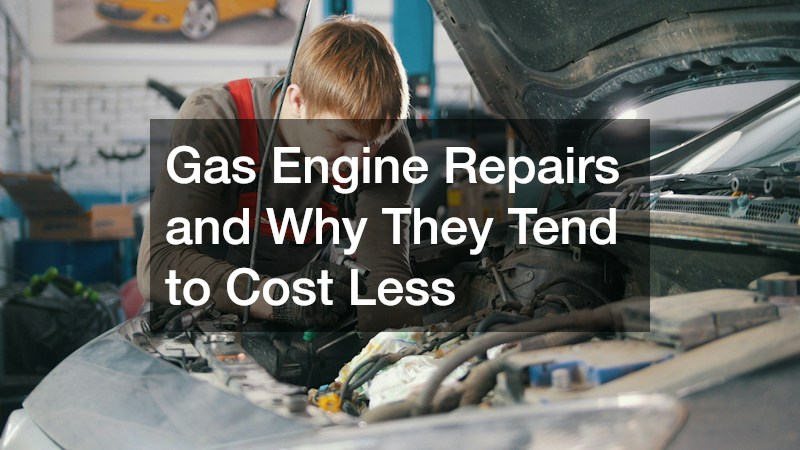
Gasoline engines are the most common powertrain on the road, which means parts are typically cheaper and more widely available than diesel or import-specific components. Nearly every general repair shop has technicians trained on standard gas engine systems, so labor costs stay competitive due to market saturation. This widespread familiarity is a major reason gas vehicle repairs tend to land on the lower end of the cost spectrum.
That said, not every gas repair is a bargain. Turbocharged four-cylinder engines, hybrid systems, and direct injection setups have added complexity to what used to be simple gas repairs, narrowing the price gap with diesel in some cases. Still, for straightforward issues like alternators, water pumps, or brake work, gas-powered vehicles usually remain the most budget-friendly option to maintain.
Import Vehicle Repairs and Specialized Parts Sourcing
Import vehicles, particularly those from European manufacturers, often carry higher repair costs because parts must be sourced from overseas suppliers or specialized distributors. This can mean longer wait times for backordered components and higher shipping fees baked into the final invoice. Labor rates also tend to run higher at shops that specialize in imports, since technicians need brand-specific training and diagnostic software.
Volkswagen owners in particular often notice this cost difference when dealing with electrical systems, turbocharged engines, or dual-clutch transmissions that are not commonly found on domestic vehicles. Finding a shop experienced in Volkswagen repair can actually save money in the long run, since misdiagnoses at a general shop can lead to unnecessary part replacements. Choosing a specialist upfront, even at a higher hourly rate, often reduces the total number of billable hours needed to fix the problem correctly.
Semi Truck and Heavy Duty Vehicle Repair Costs
Heavy duty trucks operate in a different cost category altogether, with repairs often running into thousands of dollars due to the sheer size and complexity of the components involved. A single brake job or transmission repair on a semi can cost several times what the same type of repair would cost on a passenger vehicle, simply because of the scale of parts and labor required. Fleet owners typically budget for this reality by building maintenance reserves into their operating costs.
When a major repair or replacement is needed, working with a semi truck dealer can sometimes be more cost-effective than an independent shop, especially for warranty-covered issues or complex electronic systems. Dealers often carry OEM parts in stock and have direct access to manufacturer technical bulletins that independent shops may not see right away. This can reduce diagnostic guesswork and shorten the time a truck sits out of service.
Collision Damage and How Vehicle Type Affects the Bill

When a vehicle is involved in an accident, the type of car or truck plays a huge role in the final repair estimate. Auto collision repairs on vehicles with advanced driver assistance systems, such as cameras and radar sensors built into the bumper, require recalibration after even minor bodywork, adding cost that older vehicles simply do not have. Static or dynamic recalibration alone can run anywhere from $150 to over $500, depending on the make and whether the shop needs a test drive or a controlled indoor setup with target boards. Aluminum body panels, increasingly common on trucks and luxury imports, also require different welding equipment and certified technicians compared to traditional steel panels. Shops without an aluminum-certified bay often have to sublet that portion of the job, which stretches both timeline and cost. Mixing metals incorrectly can also cause galvanic corrosion down the road, so proper isolation techniques matter as much as the initial repair. Import vehicles add another layer of complexity, since body panels, sensors, and trim pieces are frequently sourced only through the manufacturer rather than aftermarket suppliers. That limited parts availability can mean longer wait times and higher prices, especially for European models where even a headlight assembly may need to be ordered overseas. Diesel trucks used for towing or work often carry reinforced frames and heavier bumpers, which change the labor calculations entirely compared to a standard gas sedan.
Collision repair pricing is further influenced by paint matching complexity, especially on vehicles with multi-stage or pearlescent finishes common on imports. A basic single-stage paint job might run a few hundred dollars per panel, while a multi-stage finish with a clear coat and custom tinting can push costs well past $1,000 per panel once blending into adjacent panels is factored in. Body shops also need specialized spray booths and color-matching software to get these finishes right, and that equipment cost gets passed along to the customer. Structural repairs add another layer of variation. Unibody vehicles, common on most sedans and imports, often require precise frame alignment using specialized measuring systems, while body-on-frame trucks and SUVs may allow for more straightforward panel replacement. Advanced driver assistance systems (ADAS) sensors, cameras, and radar units built into bumpers and windshields also need recalibration after collision work, adding anywhere from $150 to $500 or more depending on the make and model. Insurance companies often negotiate rates with preferred shops, but going out of network can still be worth it if the shop has specific experience with your vehicle’s make. A shop that specializes in German imports, for example, may have the right jigs, OEM parts access, and trained technicians to do the job correctly the first time, even if the hourly labor rate is higher than a generalist shop. Getting more than one estimate is always a smart move after an accident, since prices can vary significantly between shops in the same area. It’s also worth asking whether a shop plans to use OEM parts, aftermarket parts, or recycled parts, since that choice alone can shift the total bill by hundreds of dollars and may affect your vehicle’s resale value down the road.
Body Shop Selection and Its Impact on Repair Quality
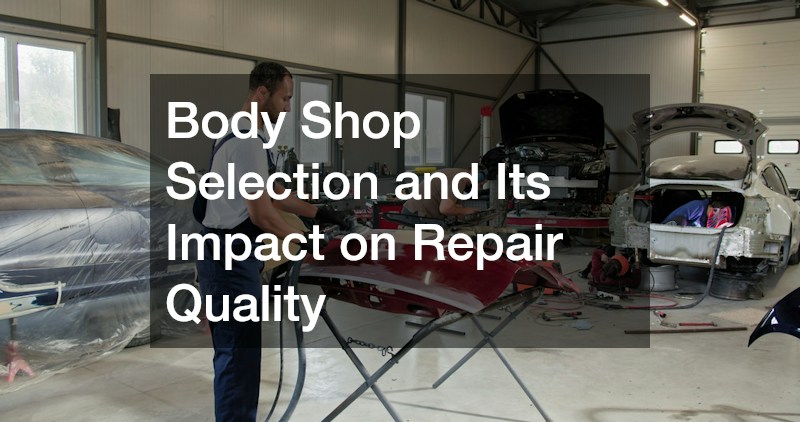
Not all repair facilities are created equal, and the shop you choose can affect both the cost and the longevity of the repair. An auto body shop with manufacturer certifications for specific brands often charges more, but that premium usually reflects proper training on the exact materials and construction methods used on your vehicle. Cutting corners with an uncertified shop might save money upfront but can lead to fitment issues, mismatched paint, or structural problems down the road.
It is worth asking a shop directly about their certifications, average turnaround time, and warranty policy before committing to any car collision repair work. A reputable shop should be transparent about parts sourcing, whether they use OEM, aftermarket, or refurbished components, since this directly affects both price and quality. Taking the time to vet a shop before an emergency arises means you are not making a rushed decision under stress after an accident.
RV and Recreational Vehicle Repair Considerations
Recreational vehicles combine automotive systems with home-like amenities, which means repair costs can span two very different categories at once. A problem with the chassis, engine, or brakes is priced similarly to heavy truck repair, while issues with plumbing, appliances, or slide-out mechanisms fall into a specialty category with its own parts and labor structure. This dual nature is why RV repair estimates can feel unpredictable compared to a standard car repair quote.
Breakdowns on the road present another challenge entirely, since not every tow company is equipped to handle a vehicle of that size and weight. Arranging RV towing in advance, or at least knowing which companies in your area offer it, can prevent a stressful situation from becoming an expensive one. Rates for this specialized towing are typically higher than standard car towing due to the equipment and expertise required.
Protective Coatings and Their Role in Long Term Savings

Preventive investments can reduce future repair bills, and paint protection is one of the most overlooked examples. Applying PPF film to high-impact areas like the front bumper, hood, and side mirrors helps shield the paint from rock chips, road debris, and minor scrapes that would otherwise require bodywork. While the upfront cost may seem unnecessary to some owners, it often pays for itself by preventing smaller cosmetic damage from turning into a paint correction job.
This type of protection is especially valuable for import owners, since factory paint and specialty finishes are more expensive to repair or replace than standard finishes. Drivers who frequently travel on gravel roads or highways with heavy truck traffic tend to see the fastest return on this investment. Even a partial application on the most vulnerable panels can meaningfully reduce the frequency of paint related repairs over time.
Interior Damage and Odor Issues After an Accident or Flood
Repair costs are not limited to what is visible on the outside of a vehicle. Water damage, smoke exposure, or lingering smells from a spill can require professional attention that many owners overlook when budgeting for repairs. Ignoring these issues does not just affect comfort, it can also lower resale value and, in some cases, indicate mold growth that poses a health risk.
Professional car odor removal services use specialized equipment like ozone generators and enzymatic cleaners that go far beyond what a home air freshener or basic detailing can accomplish. These treatments are often bundled into comprehensive repair estimates after flood damage or accidents involving airbag deployment, since the chemical residue from airbags can leave a persistent smell. Addressing odor issues promptly, rather than masking them temporarily, tends to be more cost effective in the long run.
Repair costs vary so widely because every vehicle type comes with its own set of engineering demands, parts networks, and labor requirements. Whether you drive a diesel truck, a gas powered sedan, or an imported vehicle with specialty components, understanding these differences puts you in a better position to budget accurately and avoid surprises. Before your next repair, take the time to get multiple estimates, ask about technician experience with your specific make, and consider preventive measures that can reduce costs down the road. Being an informed consumer is ultimately the best tool you have for keeping repair bills under control.
