
Navigating the world of road risks and insurance can be overwhelming for drivers of all experience levels. From minor fender benders to severe accidents, the potential hazards of driving are ever-present. Understanding how insurance coverage works, how to prevent accidents, and how to ensure your vehicle is properly maintained is crucial for protecting both your financial well-being and your safety on the road.
While insurance policies may seem straightforward, many drivers underestimate the nuances of coverage. Some incidents, like weather-related damage, may fall under comprehensive coverage, while others, such as collisions, require separate collision coverage. Similarly, knowing which repairs qualify for insurance reimbursement and which services might save you money out-of-pocket can make a huge difference.
This guide dives into practical strategies for mitigating risks, selecting trustworthy repair services, and navigating insurance claims effectively. With actionable tips, examples, and detailed advice, you will gain a complete roadmap for keeping your vehicle safe and your wallet protected.
- Understanding Your Coverage Limits and Deductibles
- Minimizing Collision Damage Through Safe Driving Practices
- Maintaining Your Vehicle to Avoid Mechanical Failures
- Choosing the Right Auto Repair and Body Shops
- Leveraging Specialized Vehicle Services
- Handling Glass and Windshield Damage
- Understanding Cosmetic and Minor Damage Coverage
- Planning for High-Risk Scenarios
- Navigating Claims and Insurance Disputes
- Strategies for Long-Term Vehicle Protection
Understanding Your Coverage Limits and Deductibles
Before anything else, understanding your insurance policy’s limits and deductibles is essential. Many drivers make the mistake of assuming all repairs are automatically covered, only to be hit with surprise bills. A deductible is the portion of a claim you must pay out-of-pocket before your insurer contributes. Choosing a higher deductible can reduce monthly premiums but can also leave you vulnerable to high upfront costs if an accident occurs. Conversely, a lower deductible increases your monthly payments but provides more protection after a claim.
Insurance coverage limits define the maximum amount your insurer will pay for a given incident. These limits often vary between property damage, personal injury, and comprehensive coverage. For example, if your vehicle is involved in a severe collision and your coverage limit is lower than the repair costs, you may be responsible for paying the difference. To make informed decisions, ask yourself: Are my limits sufficient to cover worst-case scenarios like total loss, major collision, or expensive repairs for a luxury vehicle?
Tips for evaluating coverage limits:
- Review your current policy annually to ensure it reflects your driving habits and vehicle value.
- Compare deductibles and premiums to find a balance between monthly affordability and financial protection.
- Ask your insurance provider about optional add-ons such as roadside assistance or rental car coverage.
By carefully assessing your coverage, you can avoid unexpected costs and ensure peace of mind while driving. Regularly reviewing and updating your policy also allows you to adapt to changes in your lifestyle, vehicle value, or driving habits, ensuring that your protection always matches your current needs.
Minimizing Collision Damage Through Safe Driving Practices
Collisions remain the leading cause of insurance claims, so reducing the risk of accidents is paramount. Defensive driving techniques—anticipating other drivers’ actions, keeping a safe following distance, and avoiding distractions—can significantly reduce the likelihood of accidents. Weather conditions, traffic congestion, and nighttime driving require heightened attention to mitigate potential risks.
Even minor collisions can be costly if not handled properly. Knowing how to respond immediately after an accident can protect your vehicle and your insurance record. For example, taking photos, exchanging information, and obtaining witness statements ensures a smoother claims process. Collision repair specialists can provide professional evaluations and estimates, helping you navigate insurance reimbursement efficiently.
Additional tips to minimize collision damage:
- Regularly inspect your vehicle for loose or worn parts that could contribute to accidents.
- Keep emergency contact information and a first-aid kit in your car.
- Consider installing safety-enhancing technology, such as blind-spot monitoring or collision-avoidance systems.
By pairing safe driving practices with a strong understanding of how repairs are handled, you can lower your risk and protect your insurance record.
Maintaining Your Vehicle to Avoid Mechanical Failures
Preventive maintenance is a key strategy in reducing road risks and insurance claims. A sudden mechanical failure—like brake malfunction, engine trouble, or tire blowouts—can lead to accidents that are entirely preventable with routine care. Simple measures like oil changes, fluid checks, and brake inspections can drastically improve vehicle reliability.
Working with a professional auto mechanic ensures that your vehicle receives accurate diagnostics and repairs. If you own a higher-end car, consulting a certified BMW mechanic may be necessary, as specialized knowledge and equipment are often required to maintain luxury vehicles. Beyond safety, preventive maintenance also reduces long-term repair costs and can positively influence your insurance premiums, as insurers favor well-maintained vehicles.
Maintenance checklist for drivers:
- Oil and filter replacement every 5,000–7,500 miles, depending on your vehicle.
- Tire rotation and alignment checks every 6–12 months to prevent uneven wear.
- Brake inspections every 12,000 miles or as recommended by the manufacturer.
- Battery checks before extreme weather seasons.
Routine maintenance not only keeps your vehicle roadworthy but also helps demonstrate diligence to insurance providers if a claim arises.
Choosing the Right Auto Repair and Body Shops
After an accident, selecting a reputable repair service is critical. Not all auto body shops offer the same quality of service, and using substandard providers can compromise vehicle safety and insurance claims. Look for shops with positive reviews, proper certifications, and experience with your vehicle type.
Many drivers are unsure whether to take their vehicle to a car repair shop or an auto body shop specializing in cosmetic or structural repairs. Generally, collision repair or frame damage should go to a body shop, while mechanical issues require a general repair shop. If your insurance provider has a list of approved shops, use it to streamline the claims process.
Key factors to consider when selecting a repair shop:
- Certification (e.g., I-CAR Gold Class) indicating technical expertise.
- Experience with your vehicle make, especially if you own a high-end or specialized model.
- Availability of guarantees or warranties on repairs.
- Transparency in estimates and timelines.
Choosing the right repair shop can prevent prolonged vehicle downtime and ensure repairs meet safety standards, allowing you to drive confidently after an incident.
Leveraging Specialized Vehicle Services
Beyond standard repairs, some services provide added protection and restore a vehicle’s appearance. Auto detail shop services maintain both the interior and exterior, helping prevent minor scratches, paint deterioration, and corrosion. Meanwhile, auto wrapping adds a protective layer to your car’s exterior, shielding it from environmental damage like UV rays, road debris, and minor abrasions.
Both services can be preventive and corrective. For example, professional detailing can detect minor scratches or dents early, potentially avoiding expensive insurance claims. Auto wrapping, on the other hand, can extend the life of your vehicle’s paint and make cleaning easier. When paired with insurance coverage, these services reduce the likelihood of filing claims for superficial damage, protecting your insurance record and reducing premium increases.
Benefits of specialized vehicle services:
- Detailing: Keeps paint and interior in excellent condition while detecting early damage.
- Auto wrapping: Offers an additional layer of protection from scratches, sun damage, and minor impacts.
- Saves money: Reduces cosmetic damage claims and prevents depreciation.
Investing in these services ensures your car looks and performs its best, while providing peace of mind that minor damage won’t escalate into a costly insurance claim.
Handling Glass and Windshield Damage
Windshield and glass damage is more common than many drivers realize. Cracks, chips, or shattered glass impair visibility and compromise vehicle safety. Comprehensive insurance policies often cover windshield replacement, but coverage can vary by provider and may require an additional glass coverage add-on.
Prompt repair is critical. Small chips can often be repaired without full replacement, preventing cracks from spreading and saving both time and money. Certified providers ensure correct installation and adherence to safety standards. Waiting too long for repair can lead to extensive damage, higher repair costs, and safety risks.
Tips for managing windshield damage:
- Address chips or cracks immediately to avoid spreading.
- Keep your vehicle away from extreme temperatures to reduce stress on glass.
- Use certified replacement providers to maintain safety compliance.
- Document damage for insurance purposes with clear photos.
Timely intervention not only maintains your vehicle’s safety but also prevents unnecessary insurance disputes.
Understanding Cosmetic and Minor Damage Coverage
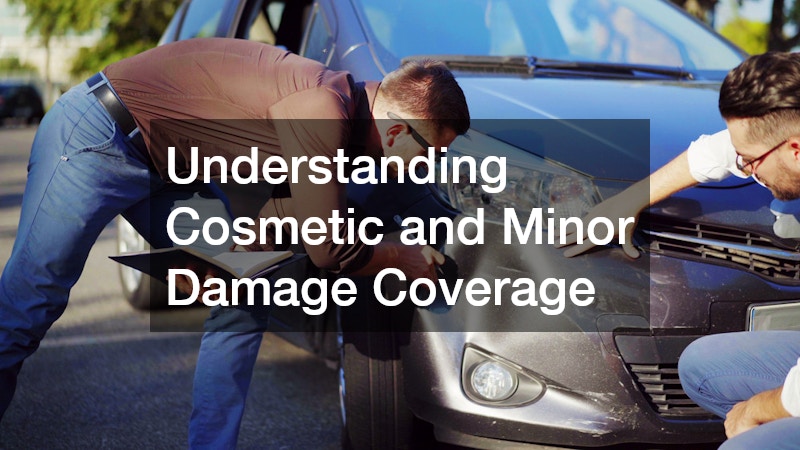
Cosmetic damage, such as small dents, scratches, or bumper repair, is one of the most frequent claims drivers make. Many insurers prefer minor issues be handled with techniques like paintless dent repair, which restores the vehicle without affecting the original paint. These repairs are often faster and cheaper than traditional bodywork.
Documenting cosmetic damage is crucial, especially for insurance purposes. Take detailed photos of affected areas, including reference points like license plates or identifiable landmarks. Retaining service receipts from previous minor repairs demonstrates that the vehicle has been maintained, which can improve your chances of smooth claims processing.
Common cosmetic damage strategies:
- Schedule minor repairs promptly to prevent long-term issues.
- Use certified paintless dent repair specialists for small dents.
- Understand your policy’s coverage for cosmetic damage before submitting a claim.
Effectively managing cosmetic damage keeps your vehicle in top condition and ensures that insurance claims remain straightforward and fair.
Planning for High-Risk Scenarios
Certain driving conditions inherently carry higher risk, such as driving in severe weather, heavy traffic, or poorly lit areas. Adjusting your insurance coverage for these scenarios ensures you’re financially protected when incidents occur. Comprehensive policies can cover natural events, theft, or collisions with wildlife—risks not included in basic liability coverage.
Establish relationships with trusted car repair shops or auto mechanics in your area before emergencies occur. Knowing who can provide prompt, reliable service prevents long delays and simplifies insurance claims. Additionally, carrying emergency kits, spare tires, and first-aid supplies helps reduce injury and damage during high-risk situations.
High-risk scenario planning tips:
- Review coverage for natural events and theft.
- Pre-identify local repair providers for quick service.
- Keep emergency supplies in your vehicle.
- Adjust driving habits for adverse conditions.
By planning for high-risk scenarios, you can reduce stress and ensure your insurance coverage adequately protects you.
Navigating Claims and Insurance Disputes
Filing an insurance claim can be intimidating, especially after an accident or severe weather event. Understanding policy requirements, deadlines, and documentation procedures is crucial to avoid delays. Take clear photos of all damage, collect witness statements, and obtain estimates from certified collision repair providers.
If disputes arise, leveraging professional assessments can strengthen your case. Insurers often rely on evaluations from recognized repair specialists or auto body shops. Staying organized and proactive throughout the process reduces stress, ensures accurate damage assessment, and improves the likelihood of full claim approval.
Tips for a smooth claims process:
- Keep a folder of all repair receipts and estimates.
- Use certified specialists for estimates and repairs.
- Communicate promptly with your insurance provider.
- Maintain detailed notes of phone conversations or correspondence.
With the right preparation, claims and disputes can be resolved efficiently, helping you get back on the road quicker with confidence.

Strategies for Long-Term Vehicle Protection
The best long-term protection will combine preventive maintenance, specialized services, and strategic insurance coverage. Regular inspections by a qualified auto mechanic ensure that your vehicle operates safely and reliably. Pairing this with services like auto wrapping or detailing preserves your car’s appearance and prevents minor damage from escalating.
Investing in long-term protection strategies reduces the likelihood of claims, helps maintain vehicle value, and minimizes overall ownership costs. By understanding risks, selecting appropriate coverage, and partnering with trusted service providers, drivers can enjoy peace of mind on every journey.
Long-term vehicle protection strategies:
- Routine mechanical inspections to prevent failures.
- Cosmetic protection like detailing and wrapping.
- Selecting comprehensive insurance that covers unexpected events.
- Keeping a list of certified repair shops and specialists for emergencies.
Taking a proactive approach ensures that your vehicle remains safe, reliable, and valuable for years to come.
Road risks are unavoidable, but understanding insurance coverage, preventive maintenance, and repair options allows drivers to navigate them effectively. From collisions and mechanical failures to cosmetic damage and high-risk scenarios, proactive strategies and informed decision-making can save money, reduce stress, and keep your vehicle in optimal condition. Combining diligent maintenance, specialized services, and thorough insurance coverage creates a holistic approach to vehicle safety and protection.
By investing time in understanding your policy, selecting qualified service providers, and practicing preventive measures, you can mitigate road risks while protecting your vehicle and your peace of mind.
